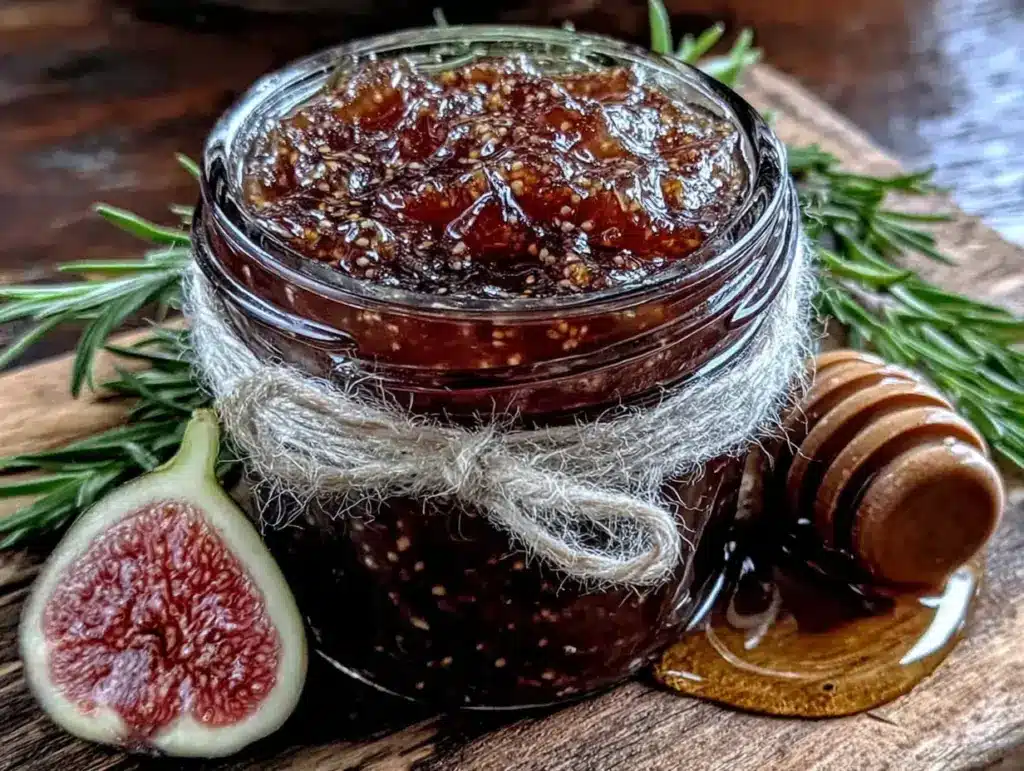
I figured making jam at home required a massive pot of fruit, a sugar coma’s worth of granulated stuff, and a whole afternoon of babysitting a bubbling cauldron. It took about one basket of overripe figs and fifteen minutes for that assumption to fall apart completely.
Let me set the scene: it was late August, I had a fridge full of figs that were starting to look a little sad, and a jar of honey from the farmer’s market that I was hoarding for something special. I didn’t want a big project. I just wanted something good. So I chopped those figs, drizzled in the honey, added a squeeze of lemon, and let them do their thing in a small saucepan. Honestly, I didn’t even stir it the whole time. I just sat there, watching them break down into this gorgeous, sticky, jewel-toned mess. That was the moment I realized I didn’t need a canning license or a dozen jars. I just needed a small batch and a little patience.
This is that recipe. It’s not about preserving for the winter. It’s about having something incredible on your toast tomorrow morning. It’s a quiet little secret you keep in your fridge, and it makes everything feel a bit more special.
Why You’ll Love This Recipe
This isn’t your grandmother’s jam-making marathon. This is jam for people who want the payoff without the production. It’s a small-batch wonder that respects your time and your taste buds.
- Quick & Easy: From chopping to jarring in under 20 minutes. No water bath, no pectin, no fuss. It’s almost too simple, but that’s the beauty of it.
- Simple Ingredients: Three main ingredients. That’s it. Figs, honey, and lemon. You probably have the lemon and honey right now, and the figs are just a bonus trip to the market.
- Perfect for Gifting: A small jar of this jam tied with a piece of twine is a gift that says “I thought of you specifically.” It’s personal, handmade, and utterly delicious.
- Incredibly Versatile: This isn’t just for toast. Spoon it over this tres leches cake, swirl it into yogurt, or serve it alongside a cheese board. It elevates everything it touches.
- Naturally Sweetened: No refined sugar here. The honey brings a floral sweetness that pairs perfectly with the earthy figs. It feels virtuous and indulgent at the same time.
I’ve made this jam more times than I can count, and it never fails. The first time I made it for a friend, she ate the entire jar with a spoon while standing in my kitchen. That’s the kind of reaction this recipe gets. It’s not just good—it’s the kind of jam that makes you close your eyes after the first bite. It’s comfort in a jar, made in minutes.
What Ingredients You Will Need
This recipe uses a handful of simple, wholesome ingredients that work together to create something truly special. Each one plays a vital role in the final flavor and texture.
- Fresh Figs (1 pound / about 450g): The star of the show. Look for figs that are ripe but still firm, with a little give when you squeeze them. Black Mission or Brown Turkey figs work beautifully. If they’re a bit overripe, even better—they’ll break down faster and release more natural sweetness. I usually grab a basket from the farmer’s market and use them within a day or two.
- Honey (⅓ cup / 113g): The natural sweetener. Use a good-quality honey with a flavor you love. A mild wildflower or orange blossom honey lets the figs shine, while a stronger buckwheat honey will add a deeper, more complex note. I personally love using a local honey from a farmer’s market—it adds a unique floral character you just can’t get from the store-bought stuff.
- Fresh Lemon Juice (2 tablespoons / 30ml): This is non-negotiable. The acidity balances the sweetness of the honey and figs, and it helps the jam set properly. Do not use bottled lemon juice—it has a flat, metallic taste that will dull the jam’s brightness. Just roll a lemon on the counter, cut it in half, and squeeze.
- Pinch of Salt (optional, but recommended): A tiny pinch of flaky sea salt (like Maldon) at the end brightens all the flavors and adds a subtle savory note that makes the jam taste more complex. It’s a chef’s trick that really makes a difference.
That’s it. No pectin, no added sugar, no weird preservatives. Just pure, concentrated figgy goodness. If you can’t find fresh figs, you can use dried figs, but you’ll need to rehydrate them in hot water for about 20 minutes first, and the texture will be a bit different—more like a compote than a jam.
Equipment Needed
You don’t need a fully stocked canning kitchen for this recipe. Here’s what you’ll need:
- A Small Heavy-Bottomed Saucepan: A 2-quart saucepan is perfect. The heavy bottom helps distribute heat evenly and prevents the jam from scorching. I use an old enameled cast iron pot, and it works like a dream.
- A Sharp Knife and Cutting Board: You’ll be chopping figs, so a sharp knife is essential. A dull knife will just mush them up.
- A Wooden Spoon or Silicone Spatula: For stirring. A wooden spoon is great, but a silicone spatula is perfect for scraping every last bit of jam into the jar.
- A Small Glass Jar (8 oz / 240ml): This is the perfect size for a small batch. Make sure it’s clean and dry. You can use a recycled jam jar, just wash it well with hot, soapy water.
- A Funnel (optional, but helpful): A small funnel makes pouring the hot jam into the jar much less messy. If you don’t have one, you can carefully spoon it in.
That’s seriously all you need. No food mill, no candy thermometer, no water bath canner. This is low-fuss, high-reward cooking at its finest.
Preparation Method
This is the part where the magic happens. Follow these steps, and you’ll have a beautiful, flavorful jam in no time. The key is to trust the process and not over-stir.
- Prep the Figs (5 minutes): Rinse your figs gently under cool water and pat them dry. Cut off the hard little stem at the top. Then, roughly chop the figs into quarters or eighths, depending on their size. You want some small chunks left for texture. Don’t worry about making them perfect—they’ll break down as they cook.
- Combine in the Pot (1 minute): Place the chopped figs in your small saucepan. Add the honey and the fresh lemon juice. Give everything a gentle stir to combine. It will look like a chunky, sticky mess at this point. That’s exactly what you want.
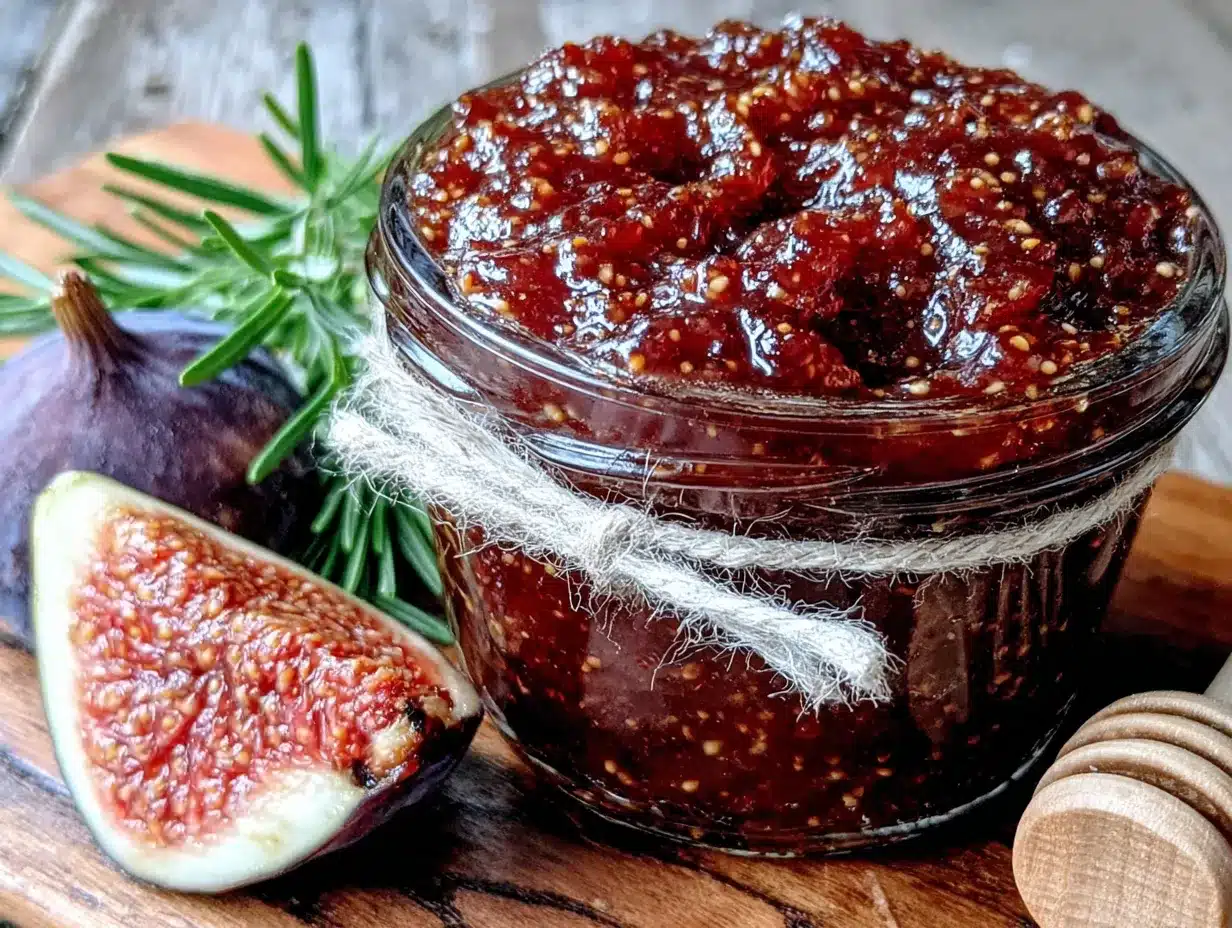
- Cook the Jam (10-12 minutes): Place the saucepan over medium heat. Let it come to a gentle simmer—you should see small bubbles breaking the surface, not a violent boil. Cook for about 10-12 minutes, stirring occasionally. At first, you’ll see the figs release their liquid. Then, the mixture will start to thicken and become glossy. You’ll notice the color deepen from a pale pink to a rich, dark ruby. The smell? It’s incredible—like a warm fig newton but better.
- Test for Doneness (1 minute): After about 10 minutes, do the “plate test.” Place a small spoonful of jam on a cold plate (I keep one in the freezer for this). Let it sit for 30 seconds. Then, run your finger through it. If it holds its shape and doesn’t run back together, it’s done. If it’s still runny, cook it for another 2 minutes and test again.
- Cool and Jar (5 minutes): Once the jam is thick and glossy, remove the pot from the heat. Let it cool in the pot for 5 minutes. This helps it thicken a bit more. Then, carefully spoon or funnel the jam into your clean glass jar. Let it cool completely at room temperature before screwing on the lid. You’ll see it set up even more as it cools.
A quick note: don’t be tempted to crank up the heat to speed things up. A gentle simmer is key. High heat can scorch the honey and give the jam a bitter taste. Trust the low and slow approach—it’s worth it.
Cooking Tips & Techniques
I’ve made this jam dozens of times, and I’ve learned a few things the hard way. Here are my best tips for perfect results every time.
- Don’t Over-Stir: I know it’s tempting to stand there and stir constantly, but resist the urge. Stirring too much can break down the fruit too quickly and prevent the jam from setting properly. Give it a gentle stir every minute or two, just to make sure nothing is sticking to the bottom.
- Use a Splatter Guard: Jam can spit and sputter as it cooks, and hot sugar burns are no joke. A splatter guard (or just a lid set slightly ajar) will save your stovetop and your skin.
- Trust Your Senses: The recipe gives you a time range, but your senses are the best guide. Look for the jam to become thick and glossy. Listen for the sound to change from a watery simmer to a thicker, slower bubble. Smell for that concentrated, sweet-figgy aroma. When it all comes together, you’ll know.
- My Biggest Mistake: The first time I made this, I walked away to answer a text message. I came back to a jam that was too thick and had a slightly burnt, caramelized edge. It was still edible, but it lost that bright, fresh fig flavor. Don’t walk away! You only need to watch it for 12 minutes.
- Prep Your Jar Ahead: Have your jar clean and ready to go before you start cooking. Hot jam sets quickly, and you don’t want to be fumbling for a lid while it cools on the counter.
These small tweaks make a big difference. The jam is forgiving, but a little attention to detail turns it from good to “please make me another jar” good.
Variations & Adaptations
This base recipe is a fantastic canvas for experimentation. Here are a few of my favorite twists.
- Spiced Fig Jam: Add a cinnamon stick, a star anise, or a split vanilla bean to the pot while the jam cooks. Remove them before jarring. The warm spices complement the honey and figs beautifully. I made a batch with a cinnamon stick last fall, and it was incredible on these honey garlic chicken thighs as a finishing glaze.
- Savory Fig & Rosemary Jam: This is my secret weapon for cheese boards. Add a sprig of fresh rosemary and a pinch of black pepper to the jam as it cooks. Remove the rosemary before jarring. The herbal, savory notes cut through the sweetness and pair perfectly with sharp cheddar or creamy brie.
- Low-Sugar Version: If you want to reduce the honey, you can. Use ¼ cup of honey instead of ⅓ cup. The jam will be slightly less sweet and a bit more tart. It will also be a little looser, so you might need to cook it for a minute or two longer to get the right consistency.
- Fig & Ginger Jam: Grate a 1-inch piece of fresh ginger into the pot with the figs. The spicy, zesty kick from the ginger is a fantastic contrast to the sweet honey and figs. I love this version on a warm scone with clotted cream.
Don’t be afraid to experiment! The ratio of figs to honey to lemon is the backbone, but everything else is up for grabs. I once added a splash of bourbon at the end, and it was dangerously good.
Serving & Storage Suggestions
This jam is a star in its own right, but it loves company. Here’s how to make the most of it.
- Serving Temperature: Serve at room temperature for the best spreadable consistency. If you keep it in the fridge, let it sit out for 15-20 minutes before you plan to use it.
- How to Use It: This is the fun part. Spread it on warm toast, buttery croissants, or fresh scones. Swirl it into Greek yogurt or oatmeal for a quick breakfast. Spoon it over pancakes, waffles, or ice cream for an instant upgrade. It’s also incredible on a cheese board—try it with a sharp cheddar, a creamy brie, or a salty blue cheese. For a savory twist, use it as a glaze for roasted pork or chicken. I’ve even used it as a filling for thumbprint cookies, and it was a hit.
- Storage: Store the jam in an airtight jar in the refrigerator. Because this is a small-batch, low-sugar jam, it won’t keep at room temperature like a traditional canned jam. It will last for 2-3 weeks in the fridge. I promise it won’t last that long, though.
- Freezing: You can freeze this jam for up to 3 months. Spoon it into a freezer-safe jar or a small container, leaving about ½ inch of headspace for expansion. Thaw it overnight in the fridge before using. The texture will be slightly softer after freezing, but the flavor will be just as bright.
- Flavor Development: The flavor of this jam actually deepens and becomes more complex after a day or two in the fridge. The honey and fig flavors meld together beautifully. So don’t be disappointed if it tastes even better on day two.
Nutritional Information & Benefits
This jam is a little indulgence, but it’s made with real, whole ingredients. Here’s a quick look at what you’re getting.
- Estimated Per Serving (1 tablespoon): Approximately 35-40 calories, 0g fat, 9g carbohydrates, 0g protein. This is a rough estimate and will vary based on the exact type of figs and honey you use.
- Health Benefits of Figs: Figs are a good source of dietary fiber, which aids in digestion. They also contain potassium, calcium, and magnesium, which are important for bone health. Plus, they’re packed with antioxidants that help fight inflammation.
- Benefits of Honey: Unlike refined sugar, honey contains trace amounts of vitamins, minerals, and antioxidants. It also has a lower glycemic index, meaning it won’t spike your blood sugar as dramatically. Of course, it’s still a sweetener, so enjoy it in moderation.
- Dietary Considerations: This recipe is naturally gluten-free, dairy-free, and vegan (assuming you use a vegan honey or agave). There are no refined sugars, making it a great option for those looking to reduce their intake of processed foods.
- Potential Allergens: None, unless you have a specific allergy to figs or honey (both are rare). Always check your honey source if you have severe allergies to pollen.
I love that this jam feels like a treat but doesn’t leave me with a sugar crash. It’s a small, mindful pleasure that I can feel good about enjoying.
Conclusion
This homemade small-batch fig and honey jam is the kind of recipe that makes you feel like a kitchen wizard without any of the heavy lifting. It’s simple, it’s fast, and the results are genuinely stunning. The combination of sweet, ripe figs and floral honey is a match made in heaven, and the bright squeeze of lemon keeps everything balanced and fresh.
I’ve made this jam for lazy Sunday mornings, for last-minute hostess gifts, and for those times when I just need a little something special on my toast. It never disappoints. And the best part? You can make it your own. Add a spice, a herb, or a splash of your favorite spirit. The possibilities are endless.
I’d love to hear how yours turns out! Did you try a fun variation? Did you eat it straight from the jar with a spoon? (No judgment here.) Drop a comment below and let me know. And if you’re looking for another quick and easy homemade treat, you have to try this strawberry basil lemonade—it’s the perfect summer pairing.
Happy jamming, friend. Go make something delicious.
Frequently Asked Questions
Can I use dried figs instead of fresh?
Yes, you can! Rehydrate them by soaking them in hot water for about 20 minutes until they’re plump. Drain them well before chopping. The texture will be a bit more like a thick compote, but the flavor will still be fantastic.
Why didn’t my jam set properly?
This usually happens if you didn’t cook it long enough. The jam needs to reach a temperature where the natural pectin in the figs activates. Try cooking it for another 2-3 minutes and doing the plate test again. Also, make sure you used enough lemon juice—the acidity is crucial for setting.
How long does this jam last in the fridge?
This small-batch jam will keep for 2-3 weeks in an airtight container in the refrigerator. Because it has a lower sugar content than traditional canned jam, it won’t last at room temperature. Always keep it chilled.
Can I double this recipe?
Absolutely! Just double all the ingredients and use a larger pot. The cooking time will increase slightly—start checking for doneness around the 15-18 minute mark. You might also need a larger jar or two smaller ones.
What can I use instead of honey?
You can use maple syrup, agave nectar, or even brown sugar for a different flavor profile. Maple syrup will add a smoky, woodsy note, while brown sugar will create a deeper, more caramel-like taste. Adjust the sweetness to your liking.
Pin This Recipe!

Homemade Small-Batch Fig Honey Jam – Easy 15-Min Recipe

This quick and easy small-batch fig honey jam is made with just three main ingredients and comes together in under 20 minutes. Naturally sweetened with honey and brightened with lemon, it’s perfect for toast, yogurt, cheese boards, or gifting.
- Prep Time: 5 minutes
- Cook Time: 12 minutes
- Total Time: 17 minutes
- Yield: 1 cup (about 16 servings of 1 tablespoon each) 1x
- Category: Condiment
- Cuisine: American
Ingredients
- 1 pound fresh figs (about 450g), ripe but firm, stems removed and roughly chopped
- ⅓ cup honey (113g), preferably mild wildflower or orange blossom
- 2 tablespoons fresh lemon juice (30ml)
- Pinch of flaky sea salt (optional, but recommended)
Instructions
- Rinse figs gently under cool water and pat dry. Cut off the hard stem at the top, then roughly chop figs into quarters or eighths, leaving some small chunks for texture.
- Place chopped figs in a small heavy-bottomed saucepan. Add honey and fresh lemon juice. Stir gently to combine.
- Place saucepan over medium heat and bring to a gentle simmer (small bubbles breaking the surface, not a violent boil). Cook for 10-12 minutes, stirring occasionally, until the mixture thickens and becomes glossy and the color deepens to a rich dark ruby.
- Test for doneness using the plate test: place a small spoonful of jam on a cold plate (kept in the freezer). Let it sit for 30 seconds, then run your finger through it. If it holds its shape and doesn’t run back together, it’s done. If still runny, cook for another 2 minutes and test again.
- Remove pot from heat and let jam cool in the pot for 5 minutes. Carefully spoon or funnel the jam into a clean 8 oz (240ml) glass jar. Let cool completely at room temperature before screwing on the lid.
Notes
Don’t over-stir the jam; stir gently every minute or two. Use a splatter guard to prevent hot sugar burns. Prep your jar ahead of time. The jam will thicken further as it cools. For best flavor, let it sit in the fridge for a day before using. Store in the refrigerator for up to 2-3 weeks. Can be frozen for up to 3 months.
Nutrition
- Serving Size: 1 tablespoon
- Calories: 3540
- Sugar: 8
- Carbohydrates: 9
Keywords: fig jam, honey jam, small batch jam, easy jam recipe, no pectin jam, homemade jam, fig honey jam, 15 minute jam