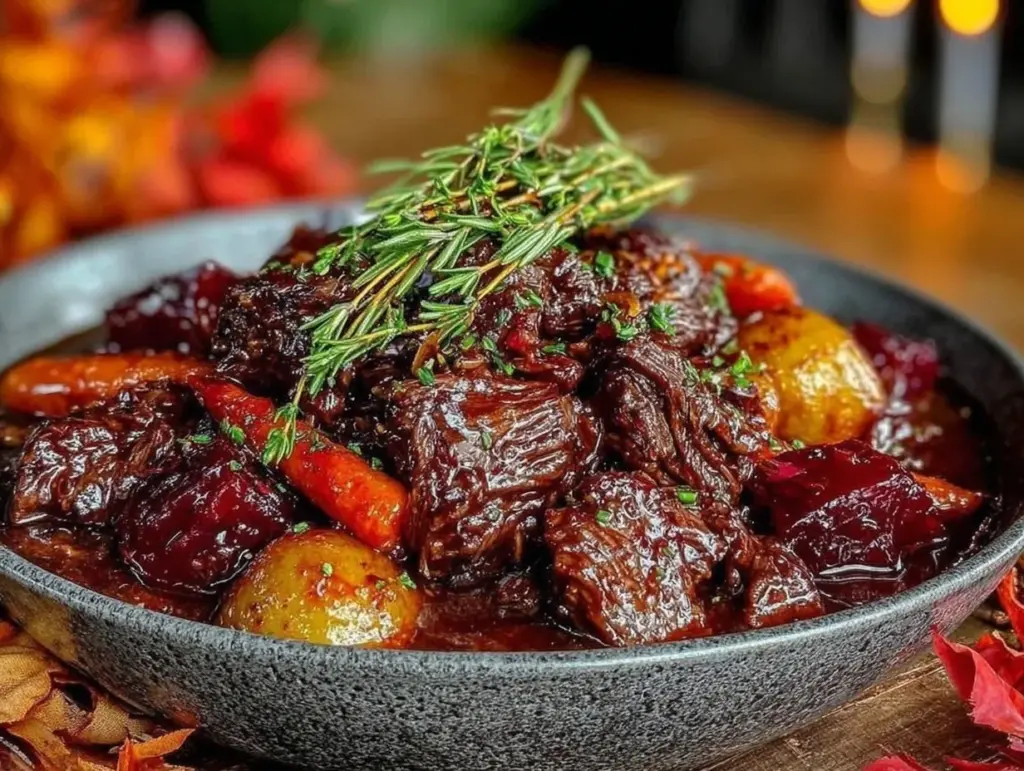
Honestly, I thought slow-cooked beef stew was just another one of those dishes that sounds comforting but ends up bland and boring. My mind was set—why spend hours simmering something when a quick dinner could do? That was until a particularly chilly evening, when I had no choice but to try a recipe I’d been eyeing for months: Cozy Fall Transition Stew with Tender Slow-Cooked Beef. The aroma filled the kitchen with a warm, earthy scent that pulled me closer, and as I tasted it, I realized all my doubts were misplaced. The beef wasn’t just tender; it practically melted in my mouth, soaking in the rich flavors of the broth and fall spices. It wasn’t an instant conversion—I mean, I still had to admit the waiting around tested my patience—but the payoff was undeniably worth it.
What really stuck with me was how this stew seemed to capture the very essence of fall itself—the subtle sweetness of root vegetables mingling with the hearty beef, the gentle hint of herbs that reminded me of crisp, early autumn walks. It’s not just a meal; it’s a quiet moment of comfort on a plate, the kind that makes you want to curl up with a good book or invite friends over for a casual, soulful dinner. This recipe didn’t just win me over because of its taste, but because it feels like a reliable companion for those in-between days when summer is fading but winter hasn’t quite arrived yet.
After making it a few times, it became clear this stew wasn’t just a seasonal fling—it’s a dish worth returning to whenever you need that slow, cozy hug in a bowl. For me, this recipe is more than food; it’s a reminder that sometimes the best things take time, and patience truly pays off in flavor and heartiness.
Why You’ll Love This Recipe
Having tested this Cozy Fall Transition Stew with Tender Slow-Cooked Beef multiple times, I’m confident it’s one of those recipes that’s as forgiving as it is delicious. Here’s why you’re going to want this in your rotation:
- Quick & Easy: While the beef simmers low and slow for hours, the hands-on prep takes less than 30 minutes—perfect for setting it up before your day winds down.
- Simple Ingredients: No obscure spices or fancy cuts of meat needed—just classic pantry staples and an affordable chuck roast.
- Perfect for Fall Gatherings: Whether it’s a casual weeknight or a weekend with friends, this stew brings that cozy vibe everyone craves as the temperature drops.
- Crowd-Pleaser: Trust me, even my picky eaters come back for seconds, and it’s a hit at potlucks or family dinners.
- Unbelievably Delicious: The slow-cooked beef turns out tender beyond belief, and the seasoning strikes just the right balance between savory and comforting.
This recipe stands out because of the slow-cooking technique paired with a subtle use of fresh herbs and the perfect ratio of vegetables to beef. I remember the first time I tried blending a little bit of tomato paste into the broth—it added this quiet depth of flavor that made the whole stew sing. It’s not just another stew; it’s the kind that makes you pause, savor, and smile.
It’s the kind of dish that feels like a warm sweater on a cool day—comforting without being heavy—and honestly, it’s the reason I look forward to those chilly afternoons when I can fire up the slow cooker. If you want a hearty stew that’s easy yet soulful, this recipe will quietly win you over, just like it did me.
What Ingredients You Will Need
This recipe uses simple, wholesome ingredients to deliver bold flavor and satisfying texture without the fuss. Most of these are pantry staples or easy to find at any grocery store, making it accessible for a cozy weeknight meal.
- Beef Chuck Roast (about 2 pounds / 900 grams, cut into bite-sized pieces): The star of the show, chosen for its marbling and tenderness after slow cooking.
- Olive Oil (2 tablespoons): For browning the beef, adds a subtle fruity richness.
- Yellow Onion (1 large, diced): Provides a sweet base flavor.
- Garlic Cloves (3, minced): Adds aromatic depth.
- Carrots (3 medium, peeled and chopped): Bring natural sweetness and texture.
- Celeriac or Celery Stalks (2 stalks, chopped): Adds an earthy note; celeriac is my personal favorite when in season.
- Baby Potatoes (about 1 pound / 450 grams, halved): Hold their shape well during slow cooking.
- Beef Broth (4 cups / 1 liter): The liquid base—choose a low-sodium option to control saltiness.
- Tomato Paste (2 tablespoons): Adds richness and a subtle tang.
- Fresh Thyme (4 sprigs): The herb that brings that unmistakable fall aroma.
- Bay Leaves (2 leaves): Infuse the stew with a gentle warmth.
- Worcestershire Sauce (1 tablespoon): A secret umami booster that lifts the flavors.
- Salt & Black Pepper (to taste): Essential for seasoning.
- Flour (2 tablespoons, optional): For dredging beef pieces to get a slightly thickened stew; I usually use all-purpose flour.
If you want to tweak this stew, swapping baby potatoes for sweet potatoes can add a slightly sweet, seasonal touch. For a gluten-free version, use cornstarch or arrowroot instead of flour. And if fresh thyme isn’t handy, dried thyme will do in a pinch, though I recommend fresh for that bright, herby pop.
Equipment Needed
To make this Cozy Fall Transition Stew, you don’t need anything fancy, but a few tools will make the process smoother:
- Slow Cooker or Crockpot: The heart of this recipe. If you don’t have one, a heavy-bottomed Dutch oven works well for stovetop or oven slow cooking.
- Large Skillet or Sauté Pan: For browning the beef before adding it to the slow cooker, which really locks in flavor.
- Sharp Chef’s Knife: For chopping vegetables efficiently.
- Cutting Board: A sturdy surface for prep.
- Measuring Cups and Spoons: For accurate seasoning and broth quantities.
- Wooden Spoon or Silicone Spatula: For stirring.
Personally, I prefer using a ceramic slow cooker insert because it’s easy to clean and retains heat evenly. If you’re on a budget, many affordable slow cookers handle the job just fine—no need to break the bank. Just make sure whatever you use has a tight-fitting lid to keep all those cozy flavors locked in.
Preparation Method
- Prepare the Beef: Pat the beef chuck pieces dry with paper towels. Toss them in flour (about 2 tablespoons) seasoned lightly with salt and pepper to coat evenly. This step helps develop a nice crust and thickens the stew slightly. (Prep time: 10 minutes)
- Brown the Beef: Heat 2 tablespoons of olive oil in a large skillet over medium-high heat. Add the beef pieces in batches—don’t crowd the pan—and cook until all sides are a deep golden brown, about 3-4 minutes per batch. This step is the flavor foundation, so don’t rush it. Transfer browned beef to the slow cooker. (Cook time: 10-15 minutes)
- Sauté Aromatics: In the same skillet, reduce heat to medium and add the diced onion. Cook until softened and translucent, about 5 minutes. Add the minced garlic and cook for another 30 seconds until fragrant. Scrape up any browned bits from the pan—they’re flavor gold. Transfer onions and garlic to the slow cooker. (Cook time: 6 minutes)
- Add Vegetables: Into the slow cooker, add chopped carrots, celery or celeriac, and halved baby potatoes. These will slowly soften and soak up the stew’s richness. (Prep time: 5 minutes)
- Mix Liquids & Seasonings: Stir together beef broth (4 cups), tomato paste (2 tablespoons), Worcestershire sauce (1 tablespoon), and a good pinch of salt and black pepper in a bowl. Pour over the beef and vegetables in the slow cooker. Tuck in fresh thyme sprigs and bay leaves. (Prep time: 3 minutes)
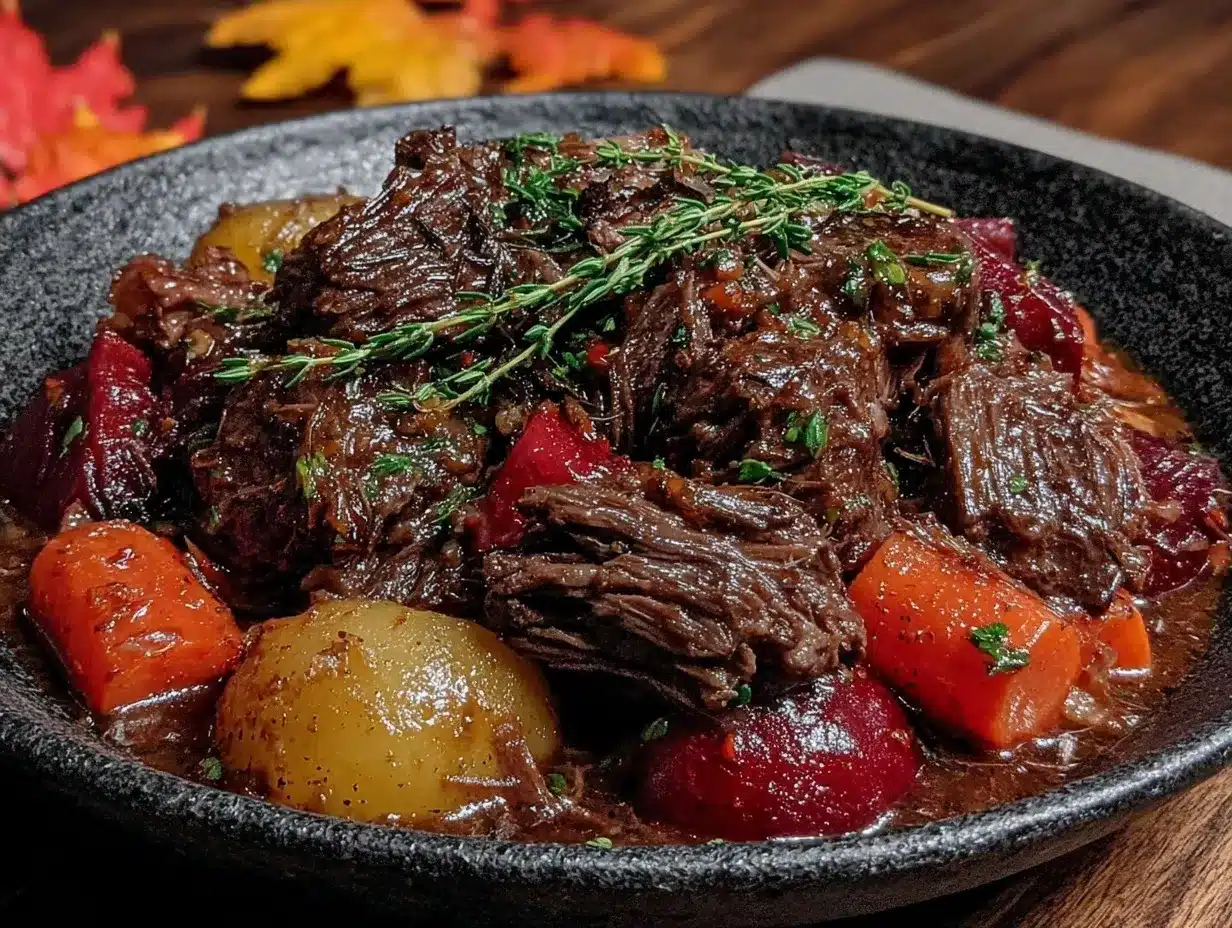
- Slow Cook: Cover and cook on low for 7 to 8 hours, or on high for 4 to 5 hours. The beef should be fork-tender, and the vegetables soft but not mushy. (Cook time: varies)
- Final Touches: Before serving, remove thyme sprigs and bay leaves. Adjust seasoning if needed—sometimes a splash more Worcestershire or a pinch of salt wakes it right up. If the stew seems too thin, mix 1 tablespoon cornstarch with 2 tablespoons cold water and stir it in, cooking on high for 15 minutes to thicken.
- Serve Warm: Ladle into bowls and enjoy with crusty bread or a simple side salad. I find a fresh cucumber dill salad pairs beautifully, adding a crisp contrast to the hearty stew.
Pro tip: Browning the beef isn’t mandatory, but it makes a huge difference. I’ve skipped it on lazy days, but the stew loses some of its depth. Also, don’t stir the stew too much during cooking; it can break down the beef and veggies, turning the texture mushy.
Cooking Tips & Techniques
Slow cooking beef stew sounds straightforward, but a few tricks make all the difference between “meh” and “wow.”
- Patience with Browning: Taking the time to brown the beef properly seals in juices and creates a richer flavor. It’s a step I sometimes tried to skip, thinking it was just extra hassle—but honestly, it’s worth every minute.
- Don’t Overcrowd the Pan: When browning, do it in batches. Overcrowding causes steaming instead of searing, leading to less flavor.
- Low and Slow is Key: Cooking on low heat for a longer time breaks down the connective tissue in beef, yielding that melt-in-your-mouth texture.
- Layer Flavors: Adding Worcestershire sauce and tomato paste might seem minor, but they boost umami and balance the stew’s sweetness perfectly.
- Vegetable Choices Matter: Using baby potatoes helps maintain shape; swapping for larger or waxy potatoes can make the stew too starchy or mushy.
- Season Gradually: Salt early but adjust at the end. Slow cooking concentrates flavors, so a little patience with seasoning pays off.
One time, I forgot to add the bay leaves, and the stew felt flat. Lesson learned: those little herbs pack a big punch. Also, multitasking is your friend here—while the stew cooks, prep a fresh side like this cucumber dill salad to brighten the meal.
Variations & Adaptations
This stew is pretty adaptable, so you can tweak it based on your pantry, dietary needs, or mood.
- Vegetarian Variation: Swap the beef for hearty mushrooms like portobello or cremini, and use vegetable broth. Add lentils for protein and texture.
- Spice it Up: Stir in a teaspoon of smoked paprika or a pinch of cayenne for warmth and subtle heat.
- Seasonal Veggies: In fall, add parsnips or butternut squash for sweetness. In spring, swap root veggies for fresh peas and green beans near the end of cooking.
- Pressure Cooker Shortcut: Use an Instant Pot to cut cooking time in half. Brown beef on sauté mode, then pressure cook for about 35 minutes.
- Low-Carb Option: Replace potatoes with cauliflower florets for a lighter stew without losing texture.
Personally, I once tried adding a splash of red wine during the browning stage—it gave the stew a subtle richness that was surprisingly lovely. Feel free to experiment; this recipe is forgiving and welcomes your personal spin.
Serving & Storage Suggestions
This stew is best served warm, straight from the slow cooker, ideally with something to soak up all the luscious broth. Crusty bread or a simple grain like rice works perfectly. For a fresh contrast, I like pairing it with a crisp, tangy side salad like the creamy cucumber dill salad—it balances the heartiness beautifully.
Leftovers? No problem. Store the stew in an airtight container in the refrigerator for up to 4 days. When reheating, do so gently on the stove or microwave, adding a splash of broth if it thickened too much. It actually tastes even better the next day, as the flavors meld further.
For longer storage, freeze in portions for up to 3 months. Thaw overnight in the fridge and reheat slowly to keep the beef tender.
Nutritional Information & Benefits
This cozy stew is a nutrient-rich meal that fits well into a balanced diet. A typical serving provides around 350-400 calories, with a good mix of protein, fiber, and vitamins from the vegetables.
- Protein: The slow-cooked beef supplies high-quality protein essential for muscle repair and energy.
- Vitamins & Minerals: Carrots and celery contribute vitamin A, potassium, and antioxidants, supporting immune health.
- Low in Added Sugars: With natural sweetness from vegetables and no unnecessary sugar, it’s a wholesome choice.
- Gluten-Free Option: Skip the flour or use a gluten-free alternative to make this stew friendly for gluten-sensitive diets.
From a wellness perspective, this stew feels like a restorative meal—comforting without feeling heavy. It’s a great way to get your greens and protein in one go, especially as the seasons change and you crave something grounding.
Conclusion
This Cozy Fall Transition Stew with Tender Slow-Cooked Beef is more than just a recipe—it’s a dependable, satisfying dish that turns simple ingredients into something heartwarming. Whether you’re easing into cooler weather or just need a meal that feels like a hug, this stew fits the bill without fuss or fancy tricks.
Feel free to adjust the seasonings or veggies to suit your taste—the recipe welcomes your personal touch. I love this stew because it reminds me that good things take time, and a little patience in the kitchen can lead to some of the most memorable meals.
If you try it, I’d love to hear how you make it your own. Sharing your twists or tips helps keep the cozy spirit alive in this community. Here’s to many comforting bowls ahead!
Frequently Asked Questions
- Can I use a different cut of beef? Yes! While chuck roast is ideal for tenderness, brisket or round roast can also work but may require slightly different cooking times.
- Is it necessary to brown the beef? It’s not required, but browning adds depth and richness to the stew’s flavor.
- Can I prepare this stew in the oven? Absolutely. Use a Dutch oven, cover tightly, and cook at 300°F (150°C) for about 3-4 hours until beef is tender.
- How do I thicken the stew if it’s too watery? Mix 1 tablespoon cornstarch with 2 tablespoons cold water and stir in during the last 15 minutes of cooking on high.
- Can I freeze leftovers? Yes, freeze in airtight containers for up to 3 months. Thaw overnight in the fridge before reheating.
Pin This Recipe!
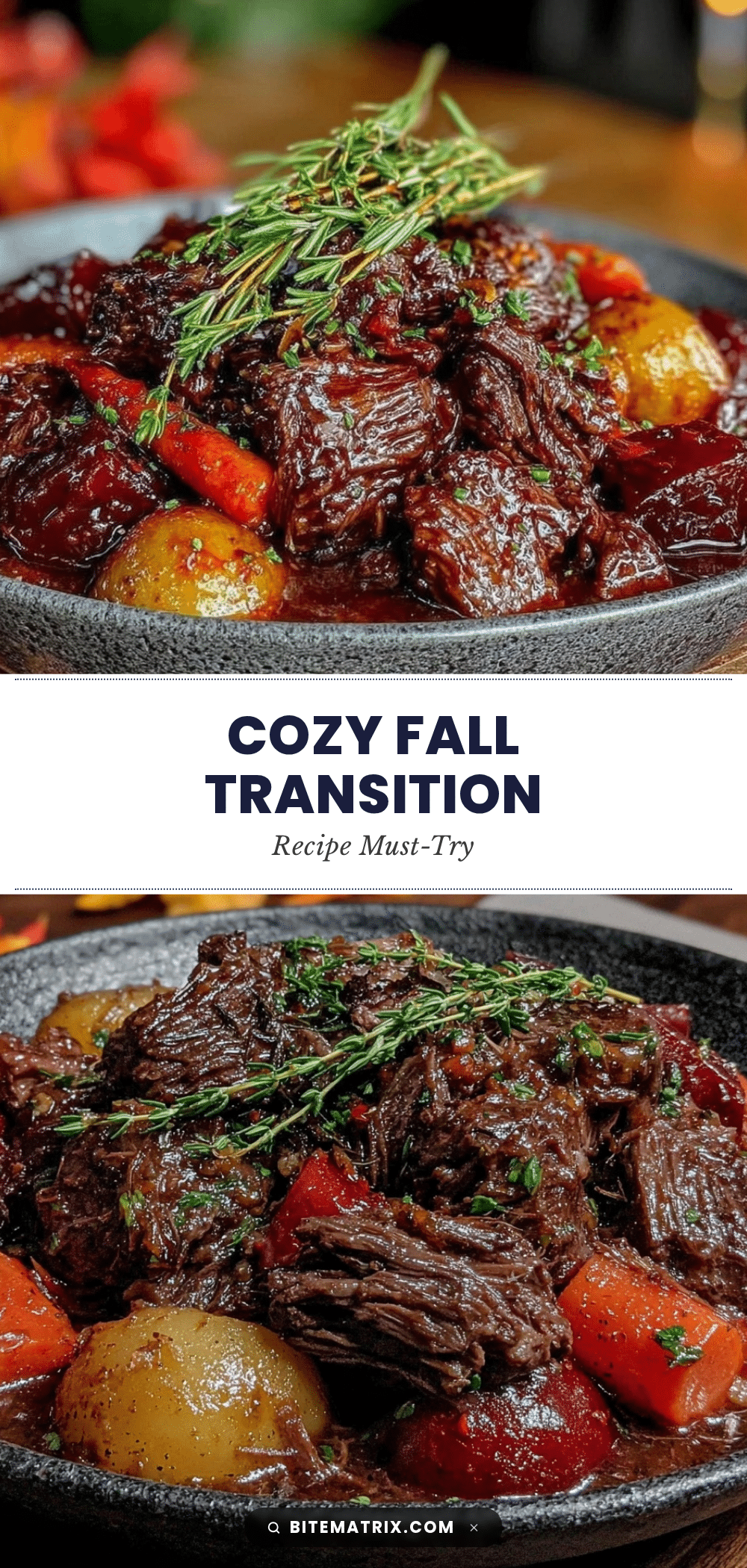
Cozy Fall Transition Stew with Tender Slow-Cooked Beef

A comforting slow-cooked beef stew that captures the essence of fall with tender beef, root vegetables, and warm herbs. Perfect for chilly evenings and cozy gatherings.
- Prep Time: 28 minutes
- Cook Time: 7 to 8 hours (low) or 4 to 5 hours (high)
- Total Time: 7 hours 28 minutes to 8 hours 28 minutes (low) or 4 hours 28 minutes to 5 hours 28 minutes (high)
- Yield: 6 servings 1x
- Category: Main Course
- Cuisine: American
Ingredients
- 2 pounds beef chuck roast, cut into bite-sized pieces
- 2 tablespoons olive oil
- 1 large yellow onion, diced
- 3 garlic cloves, minced
- 3 medium carrots, peeled and chopped
- 2 stalks celeriac or celery, chopped
- 1 pound baby potatoes, halved
- 4 cups beef broth (low-sodium preferred)
- 2 tablespoons tomato paste
- 4 sprigs fresh thyme
- 2 bay leaves
- 1 tablespoon Worcestershire sauce
- Salt and black pepper to taste
- 2 tablespoons all-purpose flour (optional, for dredging beef)
Instructions
- Pat the beef chuck pieces dry with paper towels. Toss them in flour seasoned lightly with salt and pepper to coat evenly.
- Heat olive oil in a large skillet over medium-high heat. Brown the beef pieces in batches until all sides are deep golden brown, about 3-4 minutes per batch. Transfer browned beef to the slow cooker.
- In the same skillet, reduce heat to medium and cook diced onion until softened and translucent, about 5 minutes. Add minced garlic and cook for another 30 seconds until fragrant. Transfer onions and garlic to the slow cooker.
- Add chopped carrots, celery or celeriac, and halved baby potatoes to the slow cooker.
- Stir together beef broth, tomato paste, Worcestershire sauce, salt, and black pepper in a bowl. Pour over the beef and vegetables in the slow cooker. Tuck in fresh thyme sprigs and bay leaves.
- Cover and cook on low for 7 to 8 hours, or on high for 4 to 5 hours, until beef is fork-tender and vegetables are soft but not mushy.
- Before serving, remove thyme sprigs and bay leaves. Adjust seasoning if needed. If stew is too thin, mix 1 tablespoon cornstarch with 2 tablespoons cold water and stir in. Cook on high for 15 minutes to thicken.
- Ladle stew into bowls and serve warm with crusty bread or a simple side salad.
Notes
Browning the beef is optional but recommended for deeper flavor. Do not overcrowd the pan when browning. Use fresh thyme for best aroma but dried thyme can substitute. For gluten-free, replace flour with cornstarch or arrowroot. Avoid stirring stew too much during cooking to prevent mushy texture. Leftovers can be refrigerated for up to 4 days or frozen for up to 3 months.
Nutrition
- Serving Size: 1 serving (approxima
- Calories: 375
- Sugar: 5
- Sodium: 450
- Fat: 15
- Saturated Fat: 5
- Carbohydrates: 25
- Fiber: 4
- Protein: 35
Keywords: beef stew, slow cooker stew, fall recipe, comfort food, slow-cooked beef, hearty stew, autumn dinner