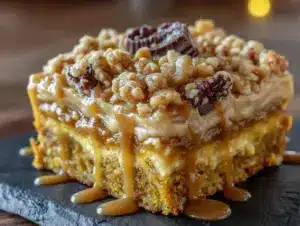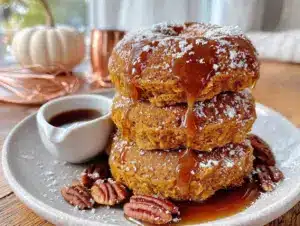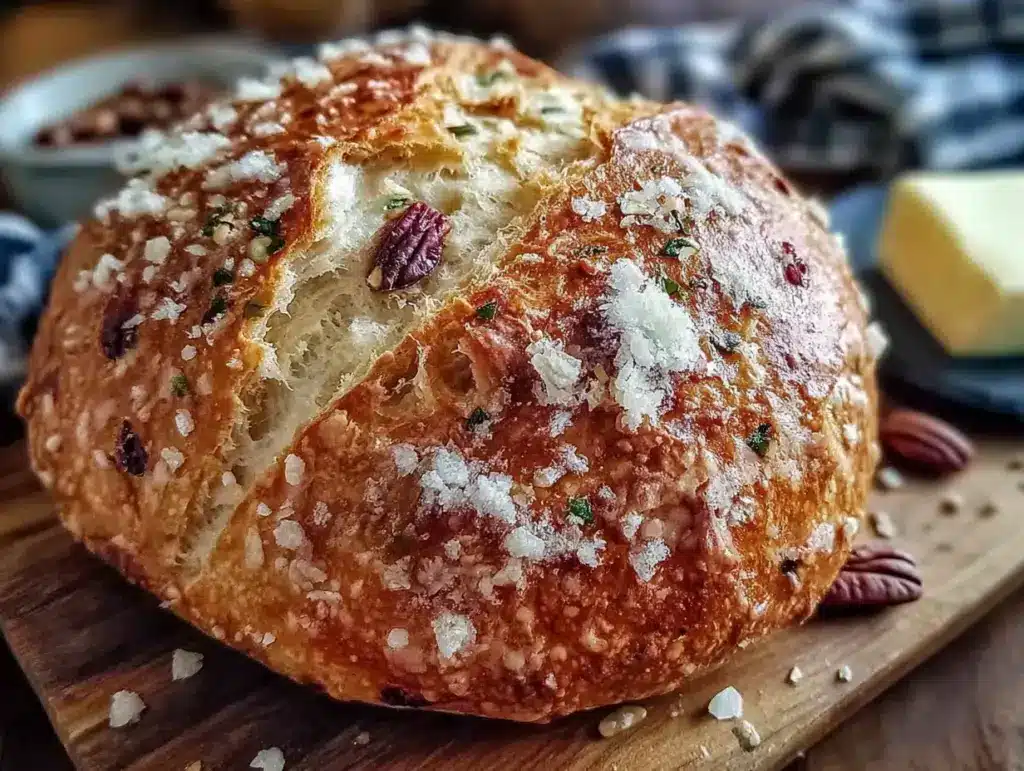
I pulled that loaf out of the oven and just stood there staring at it. The kitchen smelled like fall had exploded inside it—warm, spiced, slightly tangy from the sourdough. My husband walked in, looked at the golden-brown dome, and said, “Wait, you made that from the stuff we were going to throw away?” That’s the moment I knew this one was different.
This is how my Easy One-Bowl Pumpkin Sourdough Discard Bread came to life. Honestly, I was tired of watching my sourdough discard pile up in the fridge. You know the guilt—that little jar of starter discard that feels like a waste but you just can’t bring yourself to toss it. I had a half-can of pumpkin puree leftover from a creamy side dish experiment, and I thought… why not?
The first attempt was a little dense. The second was better. By the third, I had something special—a bread that’s soft, slightly sweet, and has that signature sourdough tang without the long fermentation. No fussing with a stand mixer. No waiting around for hours. Just one bowl, a spoon, and about ten minutes of hands-on work. That’s it.
This recipe isn’t fancy. It’s the kind of thing you make on a lazy Sunday morning when you want the house to smell amazing but you don’t want to do dishes for an hour afterward. It’s for the days when you have starter discard staring at you from the fridge and a can of pumpkin that’s been sitting in the pantry since October. Trust me on this one.
Why You’ll Love This Recipe
I’ve tested this bread more times than I care to admit. I’ve made it with fresh pumpkin puree, canned pumpkin, even leftover roasted pumpkin from a taco night experiment. Every single time, it delivers that same soft, moist crumb and that gorgeous orange hue. Here’s why it works so well:
- Quick & Easy: From start to oven in under 10 minutes. No stand mixer, no proofing basket, no complicated folding technique.
- Simple Ingredients: You probably already have everything except maybe the pumpkin. And honestly, that’s a pantry staple in my house year-round now.
- Perfect for Fall Baking: But also perfect for when you just want something cozy and spiced, regardless of the season outside your window.
- Zero Waste: That sourdough discard that usually ends up in the trash? It’s the secret to this bread’s incredible texture and tangy flavor.
- Crowd-Pleaser: I’ve brought this to brunches, potlucks, and even a burger slider party as a sweet side. People always ask for the recipe.
What makes this different from other pumpkin breads is the sourdough discard. It adds a subtle tang that balances the sweetness of the pumpkin and the warmth of the spices. You don’t taste “sourdough” in an overpowering way—it’s more like a background note that makes everything more interesting. Plus, the discard reacts with the baking soda to create a lighter, fluffier crumb than traditional quick breads.
This is the kind of bread that makes you close your eyes after the first bite. It’s comfort food reimagined—faster, simpler, but with the same soul-soothing satisfaction. Perfect for impressing guests without stress, or turning a quiet morning into something memorable.
What Ingredients You Will Need
This recipe uses simple, wholesome ingredients that work together to create a moist, flavorful bread without any fuss. Most of these are pantry staples, and the sourdough discard is the star player here.
For the Bread Batter
- 1 cup (240g) pumpkin puree – Canned or homemade works great. If using fresh, make sure it’s well-drained so the bread isn’t soggy.
- 1 cup (240g) sourdough discard – Unfed, straight from the fridge. It can be a few days old or fresh discard—both work perfectly.
- 1/2 cup (120ml) vegetable oil – Or melted coconut oil, or even melted butter if you want a richer flavor. I’ve used all three and they all work.
- 2 large eggs – Room temperature is best for even mixing, but cold eggs work in a pinch.
- 1/2 cup (100g) brown sugar – Packed. Light or dark brown sugar both work; dark gives a deeper molasses flavor.
- 1/4 cup (50g) granulated sugar – Just enough to balance the tang from the sourdough.
- 1 teaspoon vanilla extract – Pure vanilla extract if you have it; imitation works in a bind.
- 1 3/4 cups (220g) all-purpose flour – Spoon and level it into your measuring cup. No scooping directly—that packs the flour.
- 1 teaspoon baking soda – This reacts with the acidity in the sourdough discard to help the bread rise.
- 1/2 teaspoon baking powder – For extra lift and a lighter crumb.
- 1/2 teaspoon salt – Fine sea salt or table salt. Don’t skip it—it balances the sweetness.
- 2 teaspoons pumpkin pie spice – Or make your own: 1 teaspoon cinnamon, 1/2 teaspoon ginger, 1/4 teaspoon nutmeg, 1/4 teaspoon cloves.
Optional Add-Ins
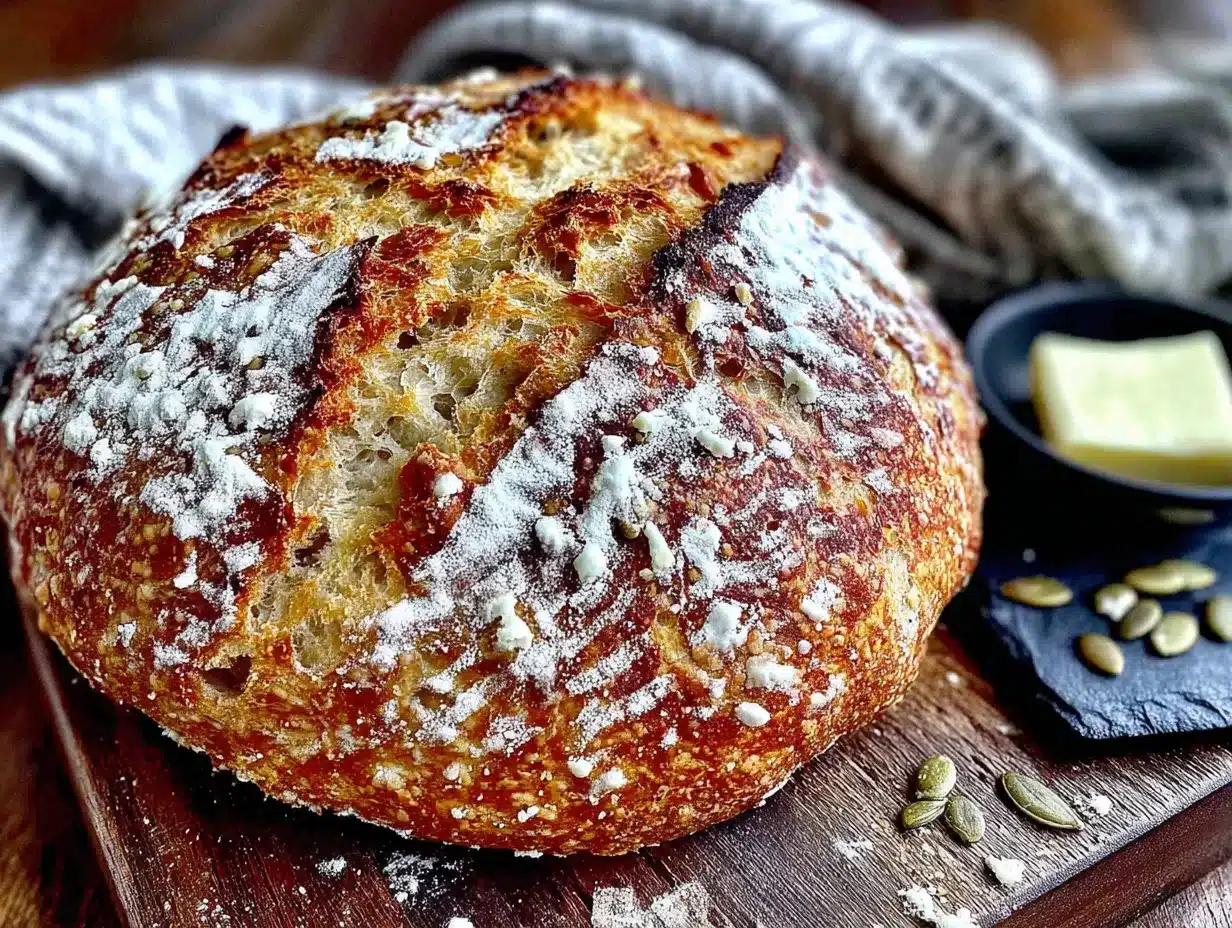
- 1/2 cup (60g) chopped pecans or walnuts – Toasted for extra flavor. Fold them in at the end.
- 1/2 cup (90g) chocolate chips – Dark chocolate or semi-sweet. The combination of pumpkin and chocolate is seriously underrated.
- 1/4 cup (40g) dried cranberries – Adds a tart pop that works beautifully with the warm spices.
I recommend using Libby’s canned pumpkin puree for consistency—it’s always thick and not watery. If you’re using a different brand, just check the label to make sure it’s 100% pumpkin, not pumpkin pie filling (which has added sugar and spices already). For the sourdough discard, I’ve found that discard that’s 3-5 days old gives the best tang, but fresh discard works too—the flavor will just be milder.
Equipment Needed
The beauty of this recipe is how little equipment you actually need. Here’s what you’ll want to have on hand:
- Large mixing bowl – Any medium-to-large bowl will do. I use a ceramic one because it feels nice, but glass or metal works just fine.
- Wooden spoon or spatula – A wooden spoon is perfect for this. The batter is thick and a wooden spoon handles it well.
- 9×5-inch loaf pan – Standard size. If you use a smaller pan, your bread will take longer to bake and might dome too much. If you use a larger pan, the bread will be flatter.
- Parchment paper – Not strictly necessary, but it makes cleanup so much easier. I cut a strip that hangs over the long sides of the pan as handles.
- Cooling rack – A wire rack lets air circulate around the bread so it doesn’t get soggy on the bottom.
- Measuring cups and spoons – For accuracy. I use dry measuring cups for flour and sugar, and a liquid measuring cup for the oil.
- Toothpick or skewer – For testing doneness. A thin knife works too.
If you don’t have a 9×5-inch loaf pan, you can use an 8×8-inch square pan and bake for about 35-40 minutes instead. The bread will be a bit thinner but just as delicious. I’ve also made these as muffins—bake at 350°F for 18-22 minutes for a dozen standard muffins.
Preparation Method
Alright, let’s get to the good part. This is the easiest pumpkin bread you’ll ever make, I promise. Here’s how it goes:
- Preheat your oven to 350°F (175°C). While it’s heating up, line your 9×5-inch loaf pan with parchment paper, leaving some overhang on the long sides. This creates handles for lifting the bread out later. If you don’t have parchment, just grease the pan well with butter or cooking spray.
- In your large mixing bowl, combine the wet ingredients. Add the pumpkin puree, sourdough discard, vegetable oil, eggs, brown sugar, granulated sugar, and vanilla extract. Stir everything together with your wooden spoon until it’s smooth and well combined. Don’t worry if there are a few tiny lumps—they’ll disappear. The batter will look a bit thin at this point, and that’s normal.
- Add the dry ingredients right on top. Sprinkle the flour, baking soda, baking powder, salt, and pumpkin pie spice over the wet mixture. Don’t stir yet. This is the “one-bowl” trick—you’re layering the dry ingredients on top so you don’t need a second bowl.
- Stir until just combined. Use your wooden spoon to fold the dry ingredients into the wet. Stir in a gentle folding motion, scraping the bottom and sides of the bowl. Stop as soon as you don’t see any more streaks of flour. Overmixing will make the bread tough. A few small lumps are totally fine—they’ll bake out.
- Fold in any add-ins. If you’re using nuts, chocolate chips, or dried cranberries, gently fold them in now. Just a few turns of the spoon to distribute them evenly. Don’t go crazy.
- Pour the batter into your prepared loaf pan. Use your spatula to scrape every last bit out of the bowl. Spread the batter evenly in the pan. It will be thick and slightly shaggy on top—that’s okay.
- Bake for 50-60 minutes. Place the pan on the middle rack of your preheated oven. Bake until the top is golden brown and a toothpick inserted into the center comes out clean or with just a few moist crumbs. If your bread is browning too quickly on top (around the 40-minute mark), tent it loosely with aluminum foil for the remaining time.
- Cool in the pan for 10 minutes. Set the loaf pan on a wire rack and let it sit. This resting time helps the bread set so it doesn’t fall apart when you remove it.
- Lift the bread out using the parchment paper handles. Transfer it to the wire rack to cool completely. If you try to slice it while it’s still warm, it will crumble. I know it’s tempting—I’ve burned my fingers more times than I’d like to admit. Wait at least 30 minutes.
Here’s a sensory cue for you: when the bread is done, the kitchen will smell like a pumpkin spice candle come to life. The top will be a deep golden brown, and the bread will feel firm but springy when you gently press the center. If it still feels soft and jiggly, give it another 5 minutes and test again.
Cooking Tips & Techniques
After making this bread probably a dozen times now, I’ve picked up a few tricks that make a real difference. Let me share what I’ve learned the hard way so you don’t have to.
Don’t overmix the batter. This is the number one mistake people make with quick breads. The more you stir, the more gluten develops, and the tougher your bread gets. Stir until you don’t see flour anymore, then stop. Seriously. Put the spoon down.
Check your baking soda is fresh. Baking soda loses its potency over time, and since this recipe relies on the reaction between the acidic sourdough discard and the baking soda for lift, old baking soda means a flat, dense bread. If your baking soda has been sitting in the cabinet for more than six months, it’s time for a new box. Quick test: drop a teaspoon of baking soda into a little vinegar—if it fizzes vigorously, it’s good.
Room temperature ingredients matter. Cold eggs and cold sourdough discard can make the batter seize up and create a denser texture. I know it’s annoying to wait, but take your eggs out of the fridge about 30 minutes before you start. The discard can sit on the counter for 15-20 minutes to take the chill off.
Let the batter rest for 5 minutes. After you pour it into the pan, let it sit on the counter for 5 minutes before baking. This gives the baking soda time to start reacting with the sourdough discard, which creates a lighter crumb. I stumbled onto this by accident when I got distracted by a phone call, and the bread turned out noticeably better.
Use the parchment paper trick. I cannot stress this enough—line your pan with parchment paper with overhang on the long sides. It makes removing the bread so much easier, and your loaf pan stays clean. No scrubbing, no soaking, no frustration.
If the top browns too fast, tent it. Every oven is different. If your bread is getting too dark on top but the center isn’t done yet, loosely cover the top with aluminum foil. This blocks the direct heat and lets the center catch up without burning the top.
Variations & Adaptations
This recipe is incredibly forgiving, which is one of the reasons I love it so much. Here are some ways to change it up depending on what you have on hand or what you’re craving:
Gluten-Free Version: Substitute the all-purpose flour with a 1:1 gluten-free baking flour blend that contains xanthan gum. I’ve used Bob’s Red Mill 1-to-1 Baking Flour with great results. The texture will be slightly more delicate, so let it cool completely before slicing. Don’t use almond flour or coconut flour alone—they’ll change the texture too much.
Dairy-Free Version: This recipe is already dairy-free if you use vegetable oil! Just double-check that your chocolate chips (if using) are dairy-free. Most dark chocolate chips are, but milk chocolate chips usually aren’t.
Less Sugar Version: You can reduce the brown sugar to 1/3 cup and the granulated sugar to 2 tablespoons. The bread will be less sweet, but the pumpkin and spices will still shine. I’ve also successfully used 1/2 cup maple syrup instead of the brown sugar—just reduce the oil by 2 tablespoons to account for the extra liquid.
Vegan Version: Replace the eggs with two flax eggs (2 tablespoons ground flaxseed mixed with 6 tablespoons water, let sit for 5 minutes). The bread will be slightly denser but still delicious. Make sure your sourdough discard is vegan-friendly (some starters use honey instead of flour and water).
Spice It Up: If you love a bold spice profile, add an extra teaspoon of cinnamon and a pinch of cardamom. I once added 1/4 teaspoon of black pepper (trust me on this) and it gave the bread a subtle warmth that was absolutely fantastic.
Pumpkin Chocolate Chip Version: This is my personal favorite variation. Fold in 1/2 cup of dark chocolate chips and 1/4 cup of chopped pecans. The combination of pumpkin, chocolate, and warm spices is next-level. I made this for a friend’s brunch and three people asked for the recipe.
Serving & Storage Suggestions
This bread is incredibly versatile when it comes to serving. Here’s how I like to enjoy it:
Warm with butter: Slice a piece, toast it lightly, and spread on some salted butter. The contrast between the warm, spiced bread and the cold butter is perfection. It’s my go-to breakfast on chilly mornings.
With cream cheese frosting: If you want to turn this into a dessert, whip up a simple cream cheese frosting (4 oz cream cheese, 2 tablespoons butter, 1 cup powdered sugar, 1/2 teaspoon vanilla) and spread it over the cooled loaf. It’s basically pumpkin spice cake at that point.
Alongside coffee or tea: This bread pairs beautifully with a hot cup of coffee, chai tea, or even a cold glass of milk. The spices in the bread complement the warmth of the drinks.
For storage: Keep the bread in an airtight container at room temperature for up to 4 days. If you live in a humid climate, I recommend storing it in the refrigerator after day 2 to prevent mold. The bread actually gets more moist and flavorful on day 2—the flavors have time to meld together.
Freezing instructions: This bread freezes beautifully. Wrap the cooled loaf tightly in plastic wrap, then in aluminum foil, and freeze for up to 3 months. To thaw, leave it on the counter for a few hours or overnight in the refrigerator. You can also freeze individual slices—just wrap each one in plastic wrap and pop them in a freezer bag. Perfect for grabbing a slice whenever the craving hits.
Reheating: To revive that just-baked texture, microwave a slice for 15-20 seconds, or toast it in a toaster oven for 3-4 minutes at 350°F. The toaster oven method gives you a slightly crisp exterior and a soft, warm interior.
Nutritional Information & Benefits
Here’s the approximate nutritional breakdown for one slice (based on 10 slices per loaf):
- Calories: 245
- Total Fat: 11g
- Saturated Fat: 2g
- Carbohydrates: 34g
- Fiber: 2g
- Sugar: 16g
- Protein: 4g
- Sodium: 210mg
Pumpkin is packed with vitamin A (in the form of beta-carotene), which supports eye health and immune function. It’s also a good source of fiber, which helps with digestion and keeps you feeling full longer. The sourdough fermentation process makes the bread easier to digest for some people compared to traditional quick breads, since the fermentation breaks down some of the gluten and phytic acid.
This recipe is nut-free (unless you add nuts), vegetarian, and can easily be made dairy-free and vegan. It’s not gluten-free in its standard form, but the gluten-free variation works well. If you’re watching your sugar intake, the reduced-sugar version is a great option.
I personally love that this bread gives me a way to use up sourdough discard while also getting a serving of vegetables (yes, pumpkin counts!) into my day. It feels like a win-win—less waste, more nutrients, and a delicious treat.
Conclusion
This Easy One-Bowl Pumpkin Sourdough Discard Bread has become a staple in my kitchen, and I have a feeling it will become one in yours too. It’s the kind of recipe that solves multiple problems at once—what to do with sourdough discard, how to use up leftover pumpkin, and how to get a homemade bread on the table without spending hours in the kitchen.
What I love most about this recipe is how forgiving it is. You can swap ingredients, adjust the spices, add mix-ins, and it almost always turns out delicious. It’s not a fussy, high-maintenance recipe. It’s the kind of bread you can make on a Tuesday afternoon with a toddler tugging at your leg and a sink full of dishes staring at you.
I’d love to hear how yours turns out. Did you add chocolate chips? Try the vegan version? Forget the parchment paper and spend 20 minutes scrubbing your loaf pan? (Been there.) Drop a comment below and let me know what worked for you. And if you make this for a friend or family member, share a photo—I love seeing these loaves in the wild.
Happy baking, and remember: that jar of sourdough discard in your fridge is not a problem. It’s an opportunity.
Frequently Asked Questions
Can I use active sourdough starter instead of discard?
Yes, you absolutely can. The bread will be slightly less tangy and might rise a bit more since active starter has more gas in it. Just use it straight from the fridge—no need to feed it first. The baking soda will still react with the acidity in the starter to help the bread rise.
Why did my bread sink in the middle?
This usually happens for one of three reasons: the batter was overmixed (which develops too much gluten and makes the bread heavy), the oven temperature was too low (which means the bread rises too slowly and then collapses), or the bread was underbaked. Make sure your oven is fully preheated to 350°F and test with a toothpick before pulling it out.
Can I make this into muffins instead of a loaf?
Absolutely! Divide the batter evenly among a 12-cup muffin tin lined with paper liners. Bake at 350°F for 18-22 minutes, or until a toothpick inserted into the center of a muffin comes out clean. Muffins will be done faster than the loaf, so start checking at 18 minutes.
How do I know when the bread is fully baked?
Insert a toothpick or thin skewer into the center of the loaf. If it comes out clean or with just a few moist crumbs (not wet batter), the bread is done. The top should be golden brown and the bread should feel firm when you gently press the center. If it jiggles, it needs more time.
Can I use fresh pumpkin instead of canned?
Yes, but you need to make sure the fresh pumpkin puree is well-drained. Fresh pumpkin tends to be more watery than canned, which can make the bread soggy. After pureeing your roasted pumpkin, let it sit in a fine-mesh strainer lined with cheesecloth for about 30 minutes to drain off excess liquid. Then measure out 1 cup of the drained puree.
Pin This Recipe!
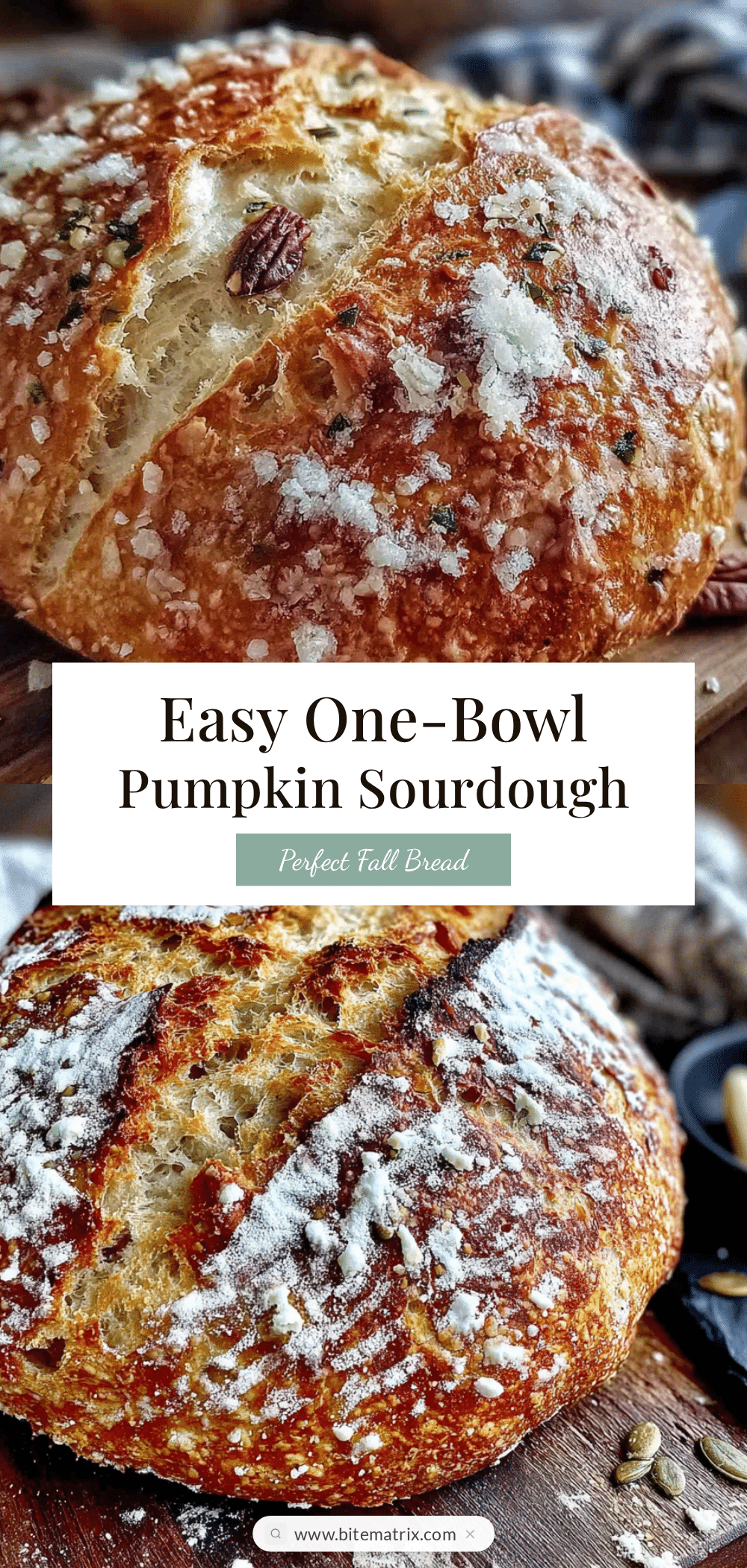
Easy One-Bowl Pumpkin Sourdough Discard Bread (Best Recipe)

This easy one-bowl pumpkin sourdough discard bread is soft, slightly sweet, and has a signature sourdough tang without the long fermentation. Made in under 10 minutes of hands-on work, it’s the perfect way to use up sourdough discard and pumpkin puree for a cozy, spiced treat.
- Prep Time: 10 minutes
- Cook Time: 55 minutes
- Total Time: 1 hour 5 minutes
- Yield: 10 servings 1x
- Category: Bread
- Cuisine: American
Ingredients
- 1 cup (240g) pumpkin puree
- 1 cup (240g) sourdough discard
- 1/2 cup (120ml) vegetable oil
- 2 large eggs
- 1/2 cup (100g) brown sugar, packed
- 1/4 cup (50g) granulated sugar
- 1 teaspoon vanilla extract
- 1 3/4 cups (220g) all-purpose flour
- 1 teaspoon baking soda
- 1/2 teaspoon baking powder
- 1/2 teaspoon salt
- 2 teaspoons pumpkin pie spice
- 1/2 cup (60g) chopped pecans or walnuts (optional)
- 1/2 cup (90g) chocolate chips (optional)
- 1/4 cup (40g) dried cranberries (optional)
Instructions
- Preheat your oven to 350°F (175°C). Line a 9×5-inch loaf pan with parchment paper, leaving overhang on the long sides, or grease the pan well.
- In a large mixing bowl, combine the pumpkin puree, sourdough discard, vegetable oil, eggs, brown sugar, granulated sugar, and vanilla extract. Stir until smooth and well combined.
- Sprinkle the flour, baking soda, baking powder, salt, and pumpkin pie spice over the wet mixture. Do not stir yet.
- Stir the dry ingredients into the wet using a gentle folding motion until just combined. Do not overmix; a few small lumps are fine.
- If using, gently fold in the chopped nuts, chocolate chips, or dried cranberries.
- Pour the batter into the prepared loaf pan and spread it evenly.
- Bake for 50-60 minutes, or until a toothpick inserted into the center comes out clean or with a few moist crumbs. If the top browns too quickly, tent loosely with aluminum foil after 40 minutes.
- Cool in the pan for 10 minutes, then lift the bread out using the parchment paper handles and transfer to a wire rack to cool completely before slicing.
Notes
Don’t overmix the batter to avoid tough bread. Check that your baking soda is fresh for proper rise. Room temperature ingredients (eggs, sourdough discard) yield a better texture. Let the batter rest in the pan for 5 minutes before baking for a lighter crumb. For best results, let the bread cool completely before slicing to prevent crumbling.
Nutrition
- Serving Size: 1 slice
- Calories: 245
- Sugar: 16
- Sodium: 210
- Fat: 11
- Saturated Fat: 2
- Carbohydrates: 34
- Fiber: 2
- Protein: 4
Keywords: pumpkin bread, sourdough discard recipe, easy pumpkin bread, one bowl pumpkin bread, fall baking, sourdough discard bread, pumpkin sourdough