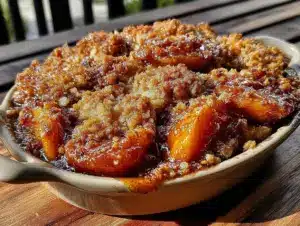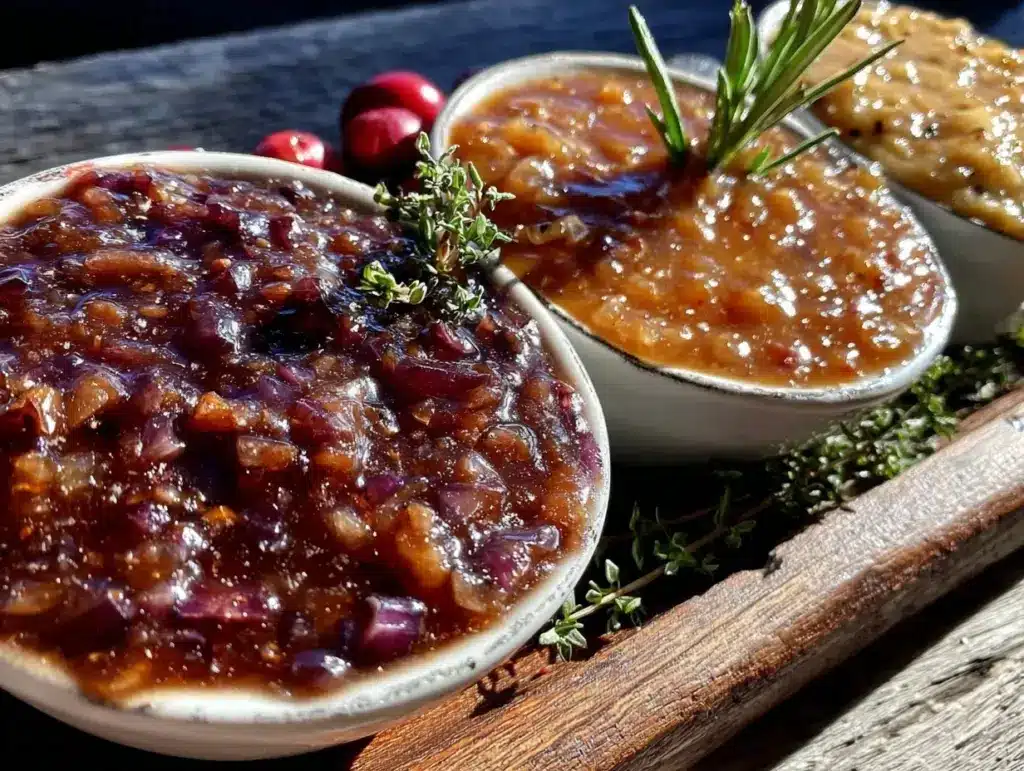
Let me tell you, the scent of sizzling shallots and garlic mingling with rich wine and buttery goodness swirling in a hot pan is enough to make anyone’s mouth water. The first time I whipped up this flavorful pan sauce master class trio, I was instantly hooked. It was one of those rare kitchen moments where you pause, take a deep breath, and just smile because you know you’ve stumbled on something truly special. Years ago, when I was knee-high to a grasshopper, my grandma used to make sauces that could turn a simple roast chicken into a feast fit for kings. This trio of pan sauces brings that kind of magic back, but with a fresh twist that feels modern and dangerously easy.
You know what? My family couldn’t stop sneaking spoonfuls off the pan (and honestly, I can’t really blame them). These sauces have become a staple for our Sunday dinners, potlucks, and even last-minute weeknight meals when I need something quick but impressive. Let’s face it, a good pan sauce feels like a warm hug after a long day, and this recipe trio is just that—pure, nostalgic comfort with a little kick. Whether you’re looking to brighten up your Pinterest recipe board or impress guests without fuss, you’re going to want to bookmark this one.
In the name of research, of course, I’ve tested each variation more times than I can count, and they never disappoint. From creamy Dijon to tangy balsamic and a herby mushroom delight, this pan sauce master class trio brings bold flavor and versatility in one go. So, ready to turn those simple pan drippings into liquid gold? Let’s get saucy!
Why You’ll Love This Recipe
Honestly, pan sauces can be intimidating if you’ve never really played around with them, but this master class trio breaks it down into easy, approachable steps with big flavor payoff. Here’s why this recipe will quickly become your go-to:
- Quick & Easy: All three sauces come together in under 15 minutes—perfect for busy weeknights or when you want something fancy without the fuss.
- Simple Ingredients: You likely already have everything in your kitchen—no special grocery runs needed.
- Perfect for Any Meal: Whether it’s steak, chicken, pork, or veggies, these sauces add that wow factor effortlessly.
- Crowd-Pleaser: I’ve seen kids and adults alike ask for seconds, and that’s no small feat!
- Unbelievably Delicious: The balance of acidity, richness, and herbs takes pan sauces beyond boring gravy to next-level comfort food.
What sets this trio apart is the way each sauce embraces a different flavor profile while following the same simple technique. For instance, the creamy Dijon sauce blends tangy mustard with a velvety finish, while the balsamic variation offers a sweet and tart pop that wakes up your palate. The mushroom-herb sauce adds earthiness and depth that makes even simple roasted veggies sing. You’ll find yourself closing your eyes after the first bite—trust me on this. This isn’t just another sauce recipe; it’s the kind that makes weeknight dinners feel like a special occasion.
What Ingredients You Will Need
This flavorful pan sauce master class trio uses simple, wholesome ingredients to deliver bold flavor and satisfying texture without the fuss. Most of these are pantry staples, and you’ll find it easy to swap a few items depending on what you have on hand.
- Shallots: finely minced, for that sweet onion flavor (you can swap with yellow onion in a pinch).
- Garlic: minced fresh cloves, because no sauce is complete without it.
- Butter: unsalted and cold, to finish the sauce with a silky texture (I prefer Kerrygold for richness).
- Olive Oil: extra virgin, for sautéing shallots and garlic.
- White Wine or Dry Vermouth: for deglazing the pan and adding acidity (choose a wine you’d enjoy sipping).
- Chicken or Vegetable Stock: homemade or low-sodium store-bought to keep control of salt and richness.
- Dijon Mustard: smooth and tangy, a key player in the creamy Dijon variation.
- Balsamic Vinegar: aged and slightly sweet, perfect for the balsamic pan sauce.
- Mushrooms: cremini or button, finely chopped, for the mushroom-herb variation.
- Fresh Herbs: thyme, rosemary, and parsley, chopped fresh to brighten flavors (dried can be used but fresh is best!).
- Heavy Cream or Half-and-Half: optional for creamier sauces (use coconut cream for dairy-free).
- Salt and Pepper: freshly ground black pepper and kosher salt, to taste.
If you want to make a dairy-free version, swap butter for olive oil or a vegan butter alternative and use coconut cream instead of dairy cream. For gluten-free cooking, just double-check your stock labels and mustard ingredients.
Equipment Needed
- Skillet or Sauté Pan: A good-quality stainless steel or cast iron skillet works best for building fond (those delicious browned bits) on the bottom.
- Wooden Spoon or Silicone Spatula: To scrape up the pan bits without scratching your cookware.
- Measuring Cups and Spoons: For precise ingredient amounts.
- Small Mixing Bowls: Handy for prepping ingredients ahead of time.
- Sharp Knife and Cutting Board: For finely mincing shallots, garlic, and herbs.
If you don’t have a cast iron pan, no worries! Stainless steel works just fine, but non-stick won’t develop the fond as well. I’ve found that using a skillet with a heavier bottom helps with even heat distribution, which is key to avoiding burnt bits. Also, keeping a silicone spatula on hand makes scraping the pan a breeze. For budget-conscious cooks, a decent stainless steel pan can be found for under $30 and will last you years.
Preparation Method
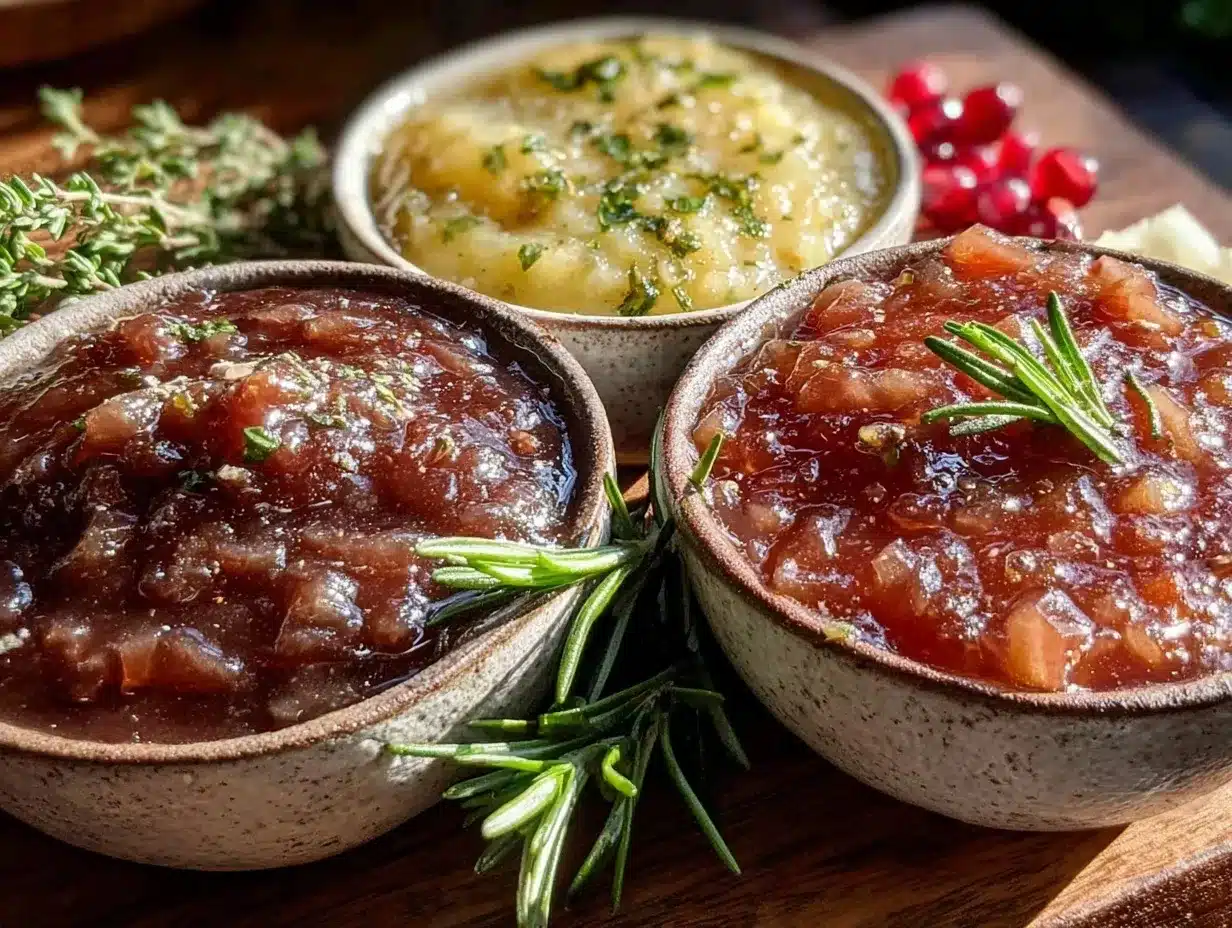
- Prepare Your Ingredients (5 minutes): Finely mince 2 shallots and 2 cloves of garlic. Chop about 1 tablespoon each of fresh thyme and parsley. If making the mushroom-herb variation, finely chop ½ cup of mushrooms. Measure out ½ cup (120 ml) of white wine or vermouth, and 1 cup (240 ml) of chicken or vegetable stock.
- Heat the Pan and Sauté Aromatics (3-4 minutes): Warm 1 tablespoon of olive oil in your skillet over medium heat. Add the minced shallots and garlic, stirring frequently until softened and fragrant—about 2-3 minutes. Watch closely so the garlic doesn’t burn; you want a gentle golden color.
- Deglaze the Pan (2 minutes): Pour in the white wine (or vermouth) to deglaze, scraping up all those browned bits with your spatula. Let it simmer and reduce by half—about 2 minutes. This step unlocks deep flavor and forms the base of your sauce.
- Add Stock and Simmer (5 minutes): Pour in the chicken or vegetable stock. Bring to a gentle simmer and let it reduce by about one-third, thickening slightly. For the mushroom-herb sauce, add the chopped mushrooms now and cook until softened.
- Finish with Flavor and Butter (2-3 minutes): For the creamy Dijon, whisk in 1 tablespoon Dijon mustard and 2 tablespoons heavy cream; for balsamic, stir in 1 tablespoon balsamic vinegar; and for mushroom-herb, add fresh herbs like rosemary and thyme. Finally, off the heat, whisk in 2 tablespoons cold unsalted butter one piece at a time for a glossy, silky finish. Season with salt and pepper to taste.
- Serve Immediately: Spoon over your favorite protein or veggies. The sauce is best fresh but can hold for a short while if kept warm.
Pro tip: If your sauce gets too thick, thin it out with a splash of stock or water. If it’s too thin, just simmer a bit longer. You’ll get a feel for the perfect consistency after a couple of tries—trust me, worth the practice!
Cooking Tips & Techniques
Here’s what I’ve learned after many saucy experiments (and a few kitchen mishaps):
- Don’t rush the deglazing step. Those browned bits on the pan are flavor gold. Scrape them well with your spatula when you add the wine or vermouth.
- Use cold butter to finish the sauce. This technique, called monter au beurre, gives your sauce a velvety texture and glossy shine.
- Keep heat moderate. High heat can burn your aromatics or reduce your sauce too fast, creating bitterness.
- Measure liquids carefully. Too much wine or stock can water down your sauce, while too little can make it overly thick or salty.
- Multitask smartly. Prep your ingredients before cooking (mise en place!) so you can focus on stirring and timing.
One time, I accidentally burned the shallots (yikes!). Lesson learned: keep the heat on medium and stir often. Also, if you want a smoother sauce, strain it through a fine sieve before adding the butter, but honestly, I love a little texture—it feels rustic and homemade.
Variations & Adaptations
This pan sauce master class trio is super versatile, and making it your own is half the fun. Here are some easy ways to switch things up:
- Vegan Variation: Replace butter with olive oil or vegan margarine, and use coconut cream or cashew cream instead of dairy cream for the creamy Dijon sauce.
- Spicy Kick: Add a pinch of red pepper flakes during the sauté step or a splash of hot sauce in the balsamic version to wake up your taste buds.
- Herbal Twist: Swap parsley and thyme for fresh tarragon or chervil to give the mushroom sauce a French bistro vibe.
- Seasonal Swap: In fall, stir in roasted pumpkin puree or apple cider vinegar for a cozy seasonal flair.
I once tried adding a splash of smoky mezcal to the balsamic sauce—unexpected but wonderfully complex. Don’t be afraid to experiment; pan sauces are forgiving and great for improvisation.
Serving & Storage Suggestions
Serve these sauces warm, spooned generously over roasted chicken breasts, seared pork chops, grilled steak, or sautéed vegetables. They also make a fantastic drizzle over mashed potatoes or creamy polenta. Pair with a crisp green salad or roasted root veggies for a balanced plate.
If you have leftovers, store them in an airtight container in the refrigerator for up to 3 days. To reheat, warm gently in a small saucepan over low heat, whisking occasionally. Avoid microwaving as it can break the sauce and make it grainy. If the sauce thickens too much in the fridge, add a splash of stock or water to loosen it up while reheating.
Flavors often deepen after a day, so making the sauce a few hours ahead (or even the day before) can add complexity to your meal. Just bring it back to a gentle simmer before serving.
Nutritional Information & Benefits
Each serving of this pan sauce adds around 80-120 calories, mostly from butter and cream, but the quantities used are modest, making it a flavorful yet balanced addition to your meal. The shallots and garlic provide antioxidants and support digestion, while fresh herbs add vitamins and minerals.
This recipe can be adapted for gluten-free diets by ensuring your stock and mustard are gluten-free, and it can be made low-carb by skipping any added sugars or flour-based thickeners. Using olive oil and fresh herbs also contributes heart-healthy fats and anti-inflammatory benefits.
I love how this sauce trio lets you enjoy indulgent flavors without feeling weighed down—perfect for anyone who wants tasty food that feels a little lighter and fresh.
Conclusion
So, why try this flavorful pan sauce master class trio? Because it turns simple pan drippings into extraordinary sauces that bring meals to life. Whether you stick to the classic creamy Dijon, the tangy balsamic, or the earthy mushroom-herb, these sauces are easy enough for any home cook but impressive enough to wow your guests.
Feel free to tweak the herbs, play with acidity, or add your own spin—the best pan sauce is the one that fits your taste buds and mood. Honestly, I keep coming back to these recipes because they make me feel like a kitchen pro without breaking a sweat.
Give it a try, leave a comment about your favorite variation, and don’t forget to share this recipe with anyone who loves a good sauce. Happy saucing!
FAQs
What is a pan sauce?
A pan sauce is a quick sauce made by deglazing the browned bits left in a pan after cooking meat or vegetables, often finished with butter and flavorings to create a rich, flavorful accompaniment.
Can I make these sauces ahead of time?
Yes! You can prepare them a few hours or even a day ahead. Just store in the refrigerator and gently reheat before serving, adding a splash of stock if needed.
What can I use if I don’t have white wine?
You can substitute dry vermouth, dry sherry, or even a splash of white grape juice with a little vinegar for acidity.
How do I prevent my pan sauce from breaking?
To avoid breaking (separation), add cold butter off the heat and whisk it in slowly. Also, avoid boiling the sauce after adding cream or butter.
Are these sauces gluten-free?
They can be! Just check that your stock and mustard don’t contain gluten. Most homemade stocks and pure mustards are naturally gluten-free.
Pin This Recipe!
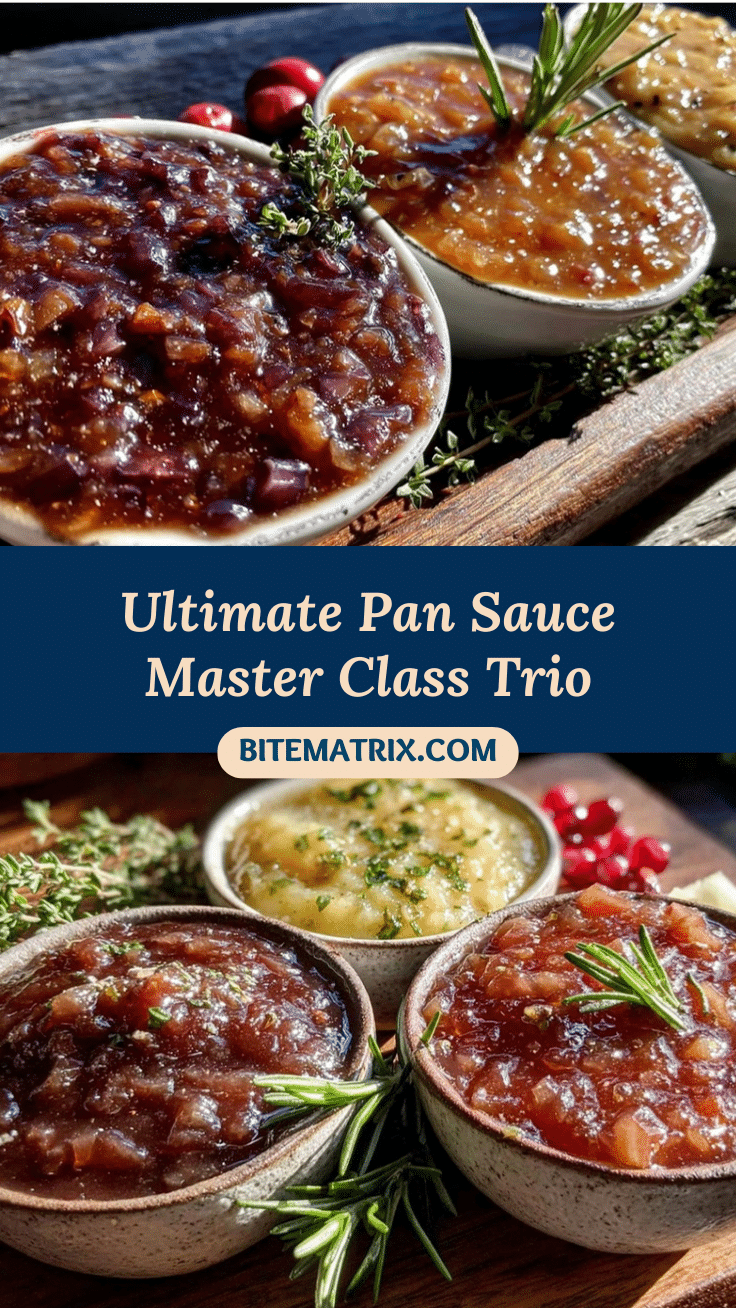
Flavorful Pan Sauce Master Class Trio with 3 Easy Irresistible Variations

A trio of quick and easy pan sauces—creamy Dijon, tangy balsamic, and herby mushroom—that transform simple pan drippings into rich, flavorful accompaniments perfect for any meal.
- Prep Time: 5 minutes
- Cook Time: 10 minutes
- Total Time: 15 minutes
- Yield: 4 servings 1x
- Category: Sauce
- Cuisine: American
Ingredients
- 2 shallots, finely minced (or yellow onion as substitute)
- 2 cloves garlic, minced
- 2 tablespoons unsalted cold butter (Kerrygold preferred)
- 1 tablespoon extra virgin olive oil
- 1/2 cup white wine or dry vermouth
- 1 cup chicken or vegetable stock (homemade or low-sodium store-bought)
- 1 tablespoon Dijon mustard (for creamy Dijon variation)
- 1 tablespoon balsamic vinegar (for balsamic variation)
- 1/2 cup cremini or button mushrooms, finely chopped (for mushroom-herb variation)
- 1 tablespoon fresh thyme, chopped
- 1 tablespoon fresh parsley, chopped
- Fresh rosemary (for mushroom-herb variation)
- 2 tablespoons heavy cream or half-and-half (optional, for creamy Dijon; use coconut cream for dairy-free)
- Salt and freshly ground black pepper, to taste
Instructions
- Prepare your ingredients: mince shallots and garlic; chop herbs; chop mushrooms if making mushroom-herb variation; measure liquids.
- Heat 1 tablespoon olive oil in a skillet over medium heat. Add shallots and garlic, sauté 2-3 minutes until softened and fragrant, avoiding burning.
- Deglaze the pan with 1/2 cup white wine or vermouth, scraping browned bits. Simmer and reduce by half, about 2 minutes.
- Add 1 cup chicken or vegetable stock. Bring to gentle simmer and reduce by one-third, thickening slightly. Add mushrooms now if making mushroom-herb sauce and cook until softened.
- For creamy Dijon: whisk in 1 tablespoon Dijon mustard and 2 tablespoons heavy cream. For balsamic: stir in 1 tablespoon balsamic vinegar. For mushroom-herb: add fresh rosemary and thyme.
- Off heat, whisk in 2 tablespoons cold unsalted butter piece by piece for a glossy finish. Season with salt and pepper to taste.
- Serve immediately over protein or vegetables.
Notes
Use cold butter off heat to finish sauce for a velvety texture (monter au beurre). Avoid high heat to prevent burning aromatics. If sauce is too thick, thin with stock or water; if too thin, simmer longer. For dairy-free, substitute butter with olive oil or vegan margarine and cream with coconut or cashew cream. Store leftovers in airtight container up to 3 days; reheat gently on stovetop, adding stock if needed. Straining sauce is optional for smoother texture.
Nutrition
- Serving Size: Approximately 1/4 cu
- Calories: 80120
- Sugar: 1
- Sodium: 150
- Fat: 8
- Saturated Fat: 4.5
- Carbohydrates: 3
- Fiber: 0.3
- Protein: 1
Keywords: pan sauce, creamy Dijon sauce, balsamic sauce, mushroom herb sauce, easy pan sauce, quick sauce, weeknight dinner sauce, versatile sauce, homemade sauce