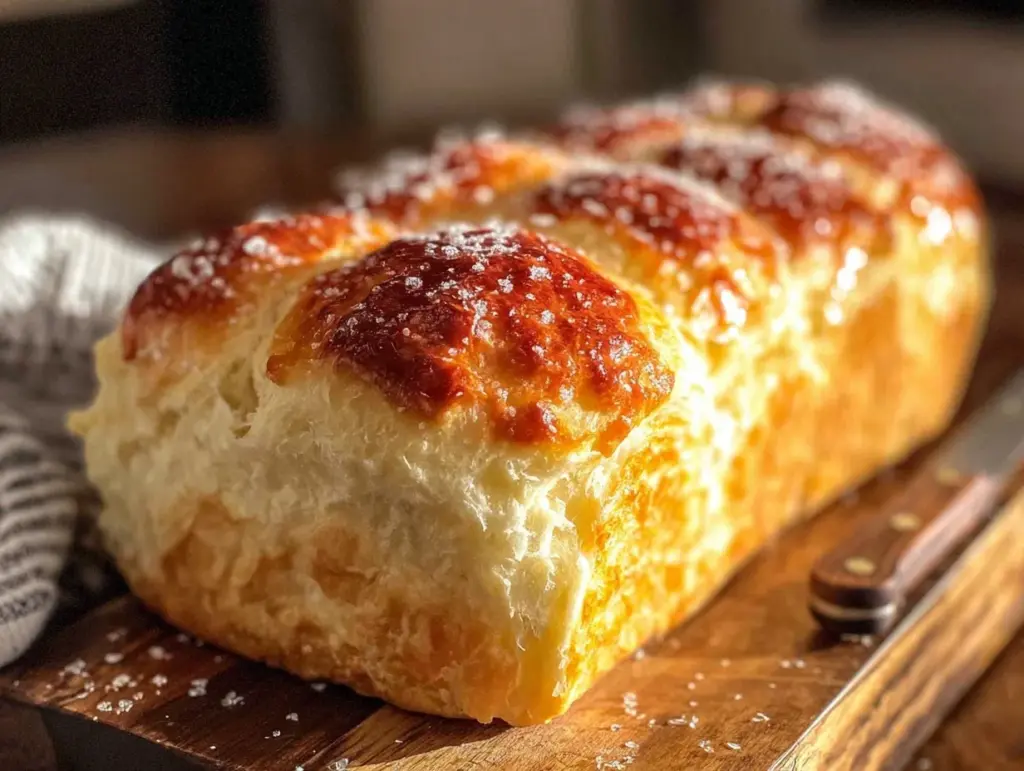
Let me tell you, the moment the scent of freshly baked Japanese milk bread fills the kitchen, it’s like a soft cloud of sweet warmth wraps around you. That unmistakable aroma of sweet milk, butter, and a hint of vanilla wafting from the oven is enough to make anyone’s mouth water. The first time I baked this fluffy Japanese milk bread (Hokkaido style), I was instantly hooked—the kind of moment where you pause, take a deep breath, and just smile because you know you’re onto something truly special.
Years ago, when I was knee-high to a grasshopper, my grandma used to make bread with that same soft, pillowy texture, but I never quite got the recipe right until I stumbled upon this method. It feels like rediscovering a little piece of my childhood all over again. Honestly, I wish I’d found this recipe years ago because it’s dangerously easy and delivers pure, nostalgic comfort every single time.
My family couldn’t stop sneaking slices off the cooling rack (and I can’t really blame them). This fluffy Japanese milk bread recipe quickly became a staple for family gatherings, gifts for neighbors, and sweet treats for my kids’ lunchboxes. Let’s face it—whether you’re new to baking or a seasoned pro, you’re going to want to bookmark this one. Perfect for breakfast, afternoon tea, or brightening up your Pinterest cookie board with a soft, pillowy loaf that’s as delightful to look at as it is to eat.
Why You’ll Love This Recipe
After testing this fluffy Japanese milk bread recipe multiple times (in the name of research, of course), I can confidently say it’s a keeper. Here’s why you’ll want to make it your go-to bread recipe:
- Quick & Easy: Comes together in under 3 hours, perfect for busy weeknights or last-minute cravings.
- Simple Ingredients: No fancy grocery store trips needed; you likely have everything right in your pantry already.
- Perfect for Any Occasion: Ideal for brunch, cozy dinners, or even as a sweet breakfast treat with jam or honey.
- Crowd-Pleaser: Always gets rave reviews from kids and adults alike—soft enough to melt in your mouth.
- Unbelievably Delicious: The texture is next-level fluffy with a subtle sweetness that’s perfect for sandwiches or just plain butter.
This recipe isn’t just another bread—it’s the best version you’ll find. The secret lies in the unique Tangzhong method, which involves cooking a flour and milk paste that keeps the bread moist and soft for days. It’s comfort food, reimagined—lighter, fluffier, yet still soul-soothing. Whether you’re impressing guests or simply craving that perfect slice, this Japanese milk bread will not disappoint.
What Ingredients You Will Need
This fluffy Japanese milk bread recipe uses simple, wholesome ingredients to deliver that bold flavor and satisfying texture without any fuss. Most of these are pantry staples, so you won’t have to run to the store.
- For the Tangzhong (Water Roux):
- All-purpose flour – 3 tablespoons (23g)
- Whole milk – ½ cup (120ml)
- For the Dough:
- All-purpose flour – 2 ½ cups (320g) (I recommend King Arthur for best texture)
- Active dry yeast – 2 teaspoons (7g)
- Granulated sugar – ¼ cup (50g) (adds just the right amount of sweetness)
- Salt – 1 teaspoon (6g)
- Whole milk – ½ cup (120ml), warm (about 110°F/43°C)
- Heavy cream – ¼ cup (60ml) (optional but adds richness)
- Unsalted butter – 4 tablespoons (56g), softened
- For Brushing:
- Milk or egg wash (milk mixed with a little sugar) for a shiny crust
If you want to keep it dairy-free, swap whole milk with almond or oat milk, and replace butter with coconut oil. For a gluten-free twist, try a gluten-free flour blend, but note the texture will be a bit different. In summer, fresh berries on the side make a lovely addition.
Equipment Needed
- Mixing bowls – medium and large sizes
- Measuring cups and spoons – for precise ingredient amounts
- Kitchen scale – highly recommended for accurate flour measurement
- Whisk and wooden spoon – for mixing the Tangzhong and dough
- Dough scraper or bench knife – helps with kneading and handling sticky dough
- Stand mixer with dough hook (optional) – speeds up kneading but not necessary
- Loaf pan – 8.5 x 4.5 inches (22 x 11 cm), non-stick preferred
- Pastry brush – for glazing the dough before baking
- Plastic wrap or clean kitchen towel – for proofing the dough
If you don’t have a stand mixer, no worries! Hand kneading works just fine, though it’s a bit more workout (I’ve been there). A kitchen scale really takes the guesswork out of bread baking and helps keep your loaves consistent. For budget-friendly loaf pans, you can find great options online or at discount stores. Keeping your tools clean and dry, especially the dough hook or scraper, is key to smooth dough handling.
Preparation Method
- Make the Tangzhong: In a small saucepan, whisk together 3 tablespoons (23g) of all-purpose flour and ½ cup (120ml) of whole milk until smooth. Place over medium heat and stir constantly until the mixture thickens to a pudding-like consistency (about 3-5 minutes). Remove from heat and let it cool to room temperature.
- Activate the yeast: In a large mixing bowl, combine ½ cup (120ml) of warm milk (110°F/43°C) with 2 teaspoons (7g) active dry yeast and 1 tablespoon of sugar from the ¼ cup (50g). Let it sit for 5-10 minutes until foamy and bubbly.
- Mix the dough: To the yeast mixture, add the cooled Tangzhong, 2 ½ cups (320g) all-purpose flour, remaining sugar, salt, heavy cream (optional), and softened butter. Stir with a wooden spoon or dough hook until the dough starts to come together.
- Knead the dough: Knead the dough on a lightly floured surface or in a stand mixer with the dough hook for about 10-15 minutes until smooth, elastic, and slightly tacky but not sticky. If it feels too sticky, sprinkle a little flour, but be careful not to overdo it.
- First rise (proofing): Shape the dough into a ball and place it in a lightly greased bowl. Cover with plastic wrap or a damp kitchen towel. Let it rise in a warm, draft-free spot for 1 to 1 ½ hours, or until doubled in size.
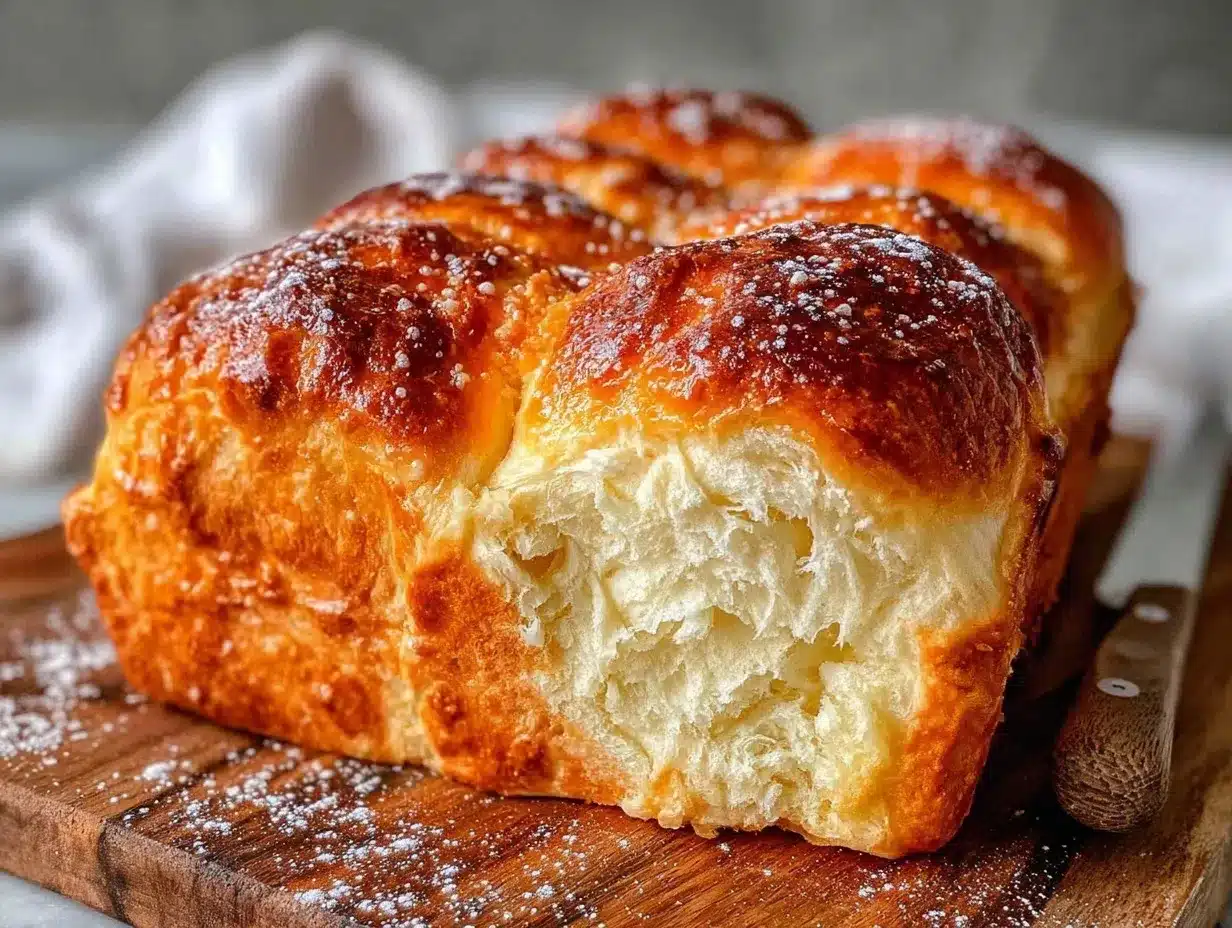
- Shape the loaf: Punch down the dough gently to release air. Divide into 3 equal portions (about 230g/8 oz each). Roll each into an oval shape, then fold the long edges into the center and roll up tightly like a jelly roll. Place the rolls seam-side down into the greased loaf pan, side by side.
- Second rise: Cover the loaf pan with plastic wrap or a kitchen towel and let the dough rise again for about 45 minutes to 1 hour, until puffy and nearly doubled.
- Preheat the oven: While the dough is rising, preheat your oven to 350°F (175°C).
- Glaze and bake: Brush the top of the dough with milk or egg wash for a beautiful shiny crust. Bake for 30-35 minutes until golden brown and the loaf sounds hollow when tapped.
- Cool down: Remove the bread from the pan and cool completely on a wire rack before slicing. This helps keep the crumb soft and fluffy.
Pro tip: If your dough feels too sticky during kneading, resist the urge to add too much flour; instead, lightly oil your hands to keep it manageable. The dough should be soft and a little tacky—that’s the secret to the pillowy texture you’re after.
Cooking Tips & Techniques
Getting this fluffy Japanese milk bread just right takes a few tricks I learned the hard way. First, the Tangzhong method is essential—it locks in moisture and keeps the bread soft for days. Don’t skip cooling the Tangzhong before mixing; hot paste can kill your yeast.
Kneading is another key step. Honestly, kneading by hand until the dough’s smooth and elastic feels like a mini workout but trust me, it’s worth it. If using a stand mixer, keep an eye on the dough’s texture; over-kneading can make it tough. The dough should pass the windowpane test—stretch a small piece gently; it should stretch thin without tearing.
Proofing times vary depending on your kitchen’s temperature. If it’s chilly, find a warm spot like near a radiator or inside a turned-off oven with just the light on. Aim for the dough to double in size but don’t let it overproof—otherwise, the bread can collapse.
When shaping, tuck the dough rolls tight to encourage that classic pull-apart loaf shape. And don’t forget the milk glaze before baking; it gives the loaf a gorgeous, soft golden crust that’s easy on the eyes and the palate.
Variations & Adaptations
This fluffy Japanese milk bread recipe is surprisingly versatile. Here are a few ways I’ve mixed it up:
- Matcha Milk Bread: Add 1-2 teaspoons of matcha powder to the dry ingredients for a subtle green tea flavor that’s both earthy and sweet.
- Whole Wheat Version: Swap half of the all-purpose flour with whole wheat flour for a nuttier taste and a bit more fiber. You might need to add a splash more milk to keep it soft.
- Dairy-Free Adaptation: Use almond or oat milk instead of dairy milk, and replace butter with vegan margarine or coconut oil. The texture stays surprisingly close to the original.
You can also bake the dough in a round or square pan for different loaf shapes. Some folks fold in a little sweetened red bean paste for a Japanese-inspired twist—totally delicious. My personal favorite is adding a swirl of cinnamon sugar before rolling the dough for a soft cinnamon swirl bread that disappears fast!
Serving & Storage Suggestions
This Japanese milk bread is best served fresh and slightly warm. Toasted with butter or jam, it’s a dreamy breakfast treat. It also pairs beautifully with savory dishes like Japanese curry or as a sandwich base with ham and cheese.
To store, wrap the cooled bread tightly in plastic wrap or keep it in an airtight container at room temperature for up to 3 days. For longer storage, slice and freeze in a sealed bag for up to 2 months. Toast from frozen or let thaw at room temperature.
Reheating in a toaster or oven for a few minutes revives that soft, pillowy texture. Over time, the flavors mellow and deepen, making leftover slices perfect for French toast or bread pudding.
Nutritional Information & Benefits
Each slice (about 60g) of this fluffy Japanese milk bread contains roughly:
| Calories | Carbohydrates | Protein | Fat | Fiber |
|---|---|---|---|---|
| 150 kcal | 28g | 4g | 3.5g | 1g |
The milk and butter add calcium and vitamin D, while the flour provides energy-boosting carbs. This recipe is not gluten-free but can be adapted for special diets. It’s a comforting treat that feels indulgent but is surprisingly light on the stomach—perfect for those who want soft bread without heaviness. Just watch portions if you’re mindful of sugar and fat.
Conclusion
This fluffy Japanese milk bread recipe is absolutely worth trying if you crave soft, pillow-like loaves that taste as dreamy as they look. It’s simple enough for beginners yet impressive enough to share with friends and family. Customize it with your favorite tweaks—whether matcha, whole wheat, or dairy-free—and watch how it brings smiles across the table.
Honestly, I love this bread because it reminds me of warm family moments and lazy weekend mornings. If you give it a shot, let me know how it turns out! Share your comments, tips, or variations—I’m always excited to hear from fellow bread lovers. Now, go bake that soft, fluffy loaf and enjoy every pillowy bite!
FAQs About Fluffy Japanese Milk Bread (Hokkaido)
What makes Japanese milk bread so soft and fluffy?
The secret is the Tangzhong method—a cooked flour and milk paste that keeps the bread moist and soft for days.
Can I make this bread without a stand mixer?
Absolutely! Hand kneading works well; it just takes a bit more time and elbow grease.
How long does the bread stay fresh?
Stored properly at room temperature, it stays soft for about 3 days. You can freeze slices for longer storage.
Is this recipe suitable for gluten-free diets?
The traditional recipe uses wheat flour and isn’t gluten-free. You can try gluten-free flour blends but expect a different texture.
Can I add flavors like cinnamon or matcha?
Yes! Adding matcha powder or cinnamon sugar swirl before shaping adds delicious variety to the classic loaf.
Pin This Recipe!
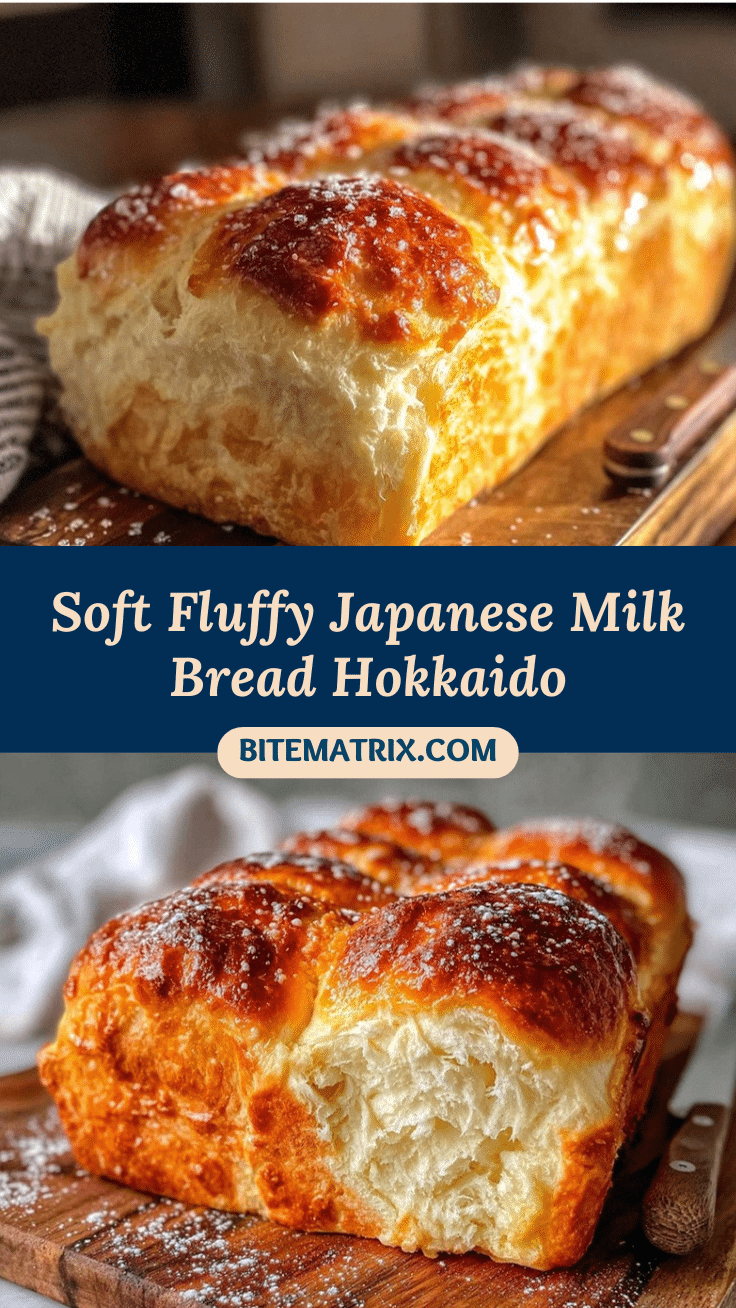
Fluffy Japanese Milk Bread Recipe Easy Soft Pillowy Hokkaido Loaves

This fluffy Japanese milk bread uses the Tangzhong method to create a soft, pillowy loaf with a subtle sweetness, perfect for breakfast, sandwiches, or snacks.
- Prep Time: 30 minutes
- Cook Time: 30-35 minutes
- Total Time: 2 hours 45 minutes
- Yield: 1 loaf (about 12 slices) 1x
- Category: Bread
- Cuisine: Japanese
Ingredients
- 3 tablespoons (23g) all-purpose flour (for Tangzhong)
- ½ cup (120ml) whole milk (for Tangzhong)
- 2 ½ cups (320g) all-purpose flour (I recommend King Arthur for best texture)
- 2 teaspoons (7g) active dry yeast
- ¼ cup (50g) granulated sugar
- 1 teaspoon (6g) salt
- ½ cup (120ml) warm whole milk (about 110°F/43°C)
- ¼ cup (60ml) heavy cream (optional)
- 4 tablespoons (56g) unsalted butter, softened
- Milk or egg wash (milk mixed with a little sugar) for brushing
Instructions
- Make the Tangzhong: In a small saucepan, whisk together 3 tablespoons (23g) of all-purpose flour and ½ cup (120ml) of whole milk until smooth. Place over medium heat and stir constantly until the mixture thickens to a pudding-like consistency (about 3-5 minutes). Remove from heat and let it cool to room temperature.
- Activate the yeast: In a large mixing bowl, combine ½ cup (120ml) of warm milk (110°F/43°C) with 2 teaspoons (7g) active dry yeast and 1 tablespoon of sugar from the ¼ cup (50g). Let it sit for 5-10 minutes until foamy and bubbly.
- Mix the dough: To the yeast mixture, add the cooled Tangzhong, 2 ½ cups (320g) all-purpose flour, remaining sugar, salt, heavy cream (optional), and softened butter. Stir with a wooden spoon or dough hook until the dough starts to come together.
- Knead the dough: Knead the dough on a lightly floured surface or in a stand mixer with the dough hook for about 10-15 minutes until smooth, elastic, and slightly tacky but not sticky. If it feels too sticky, sprinkle a little flour, but be careful not to overdo it.
- First rise (proofing): Shape the dough into a ball and place it in a lightly greased bowl. Cover with plastic wrap or a damp kitchen towel. Let it rise in a warm, draft-free spot for 1 to 1 ½ hours, or until doubled in size.
- Shape the loaf: Punch down the dough gently to release air. Divide into 3 equal portions (about 230g/8 oz each). Roll each into an oval shape, then fold the long edges into the center and roll up tightly like a jelly roll. Place the rolls seam-side down into the greased loaf pan, side by side.
- Second rise: Cover the loaf pan with plastic wrap or a kitchen towel and let the dough rise again for about 45 minutes to 1 hour, until puffy and nearly doubled.
- Preheat the oven: While the dough is rising, preheat your oven to 350°F (175°C).
- Glaze and bake: Brush the top of the dough with milk or egg wash for a beautiful shiny crust. Bake for 30-35 minutes until golden brown and the loaf sounds hollow when tapped.
- Cool down: Remove the bread from the pan and cool completely on a wire rack before slicing. This helps keep the crumb soft and fluffy.
Notes
Cool the Tangzhong before mixing with yeast to avoid killing the yeast. Knead until dough passes the windowpane test for best texture. Avoid overproofing to prevent collapse. Lightly oil hands if dough is too sticky instead of adding too much flour. Milk or egg wash before baking gives a shiny crust.
Nutrition
- Serving Size: 1 slice (about 60g)
- Calories: 150
- Fat: 3.5
- Carbohydrates: 28
- Fiber: 1
- Protein: 4
Keywords: Japanese milk bread, Hokkaido bread, fluffy bread, Tangzhong bread, soft bread, homemade bread, easy bread recipe