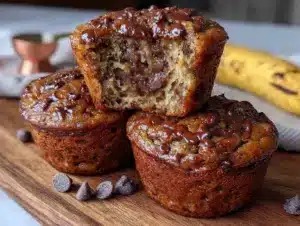
“Did you just make lavender scones again?” my roommate asked, eyebrow raised, as I pulled a towering stack from the oven, the kitchen filled with the soft scent of floral sweetness. Honestly, I wasn’t even planning to bake that day. It started out as a quiet afternoon, a desperate attempt to reset after a morning full of missed meetings and spilled coffee. I grabbed a packet of dried lavender from the back of the pantry, more out of curiosity than intention.
The first batch came out surprisingly fluffy, with that subtle, fragrant hint that wasn’t overpowering but just right. Then I thought, why not make a tower? Because, you know, life’s too short for a single scone. The zesty lemon curd was a last-minute addition—just some lemon juice and zest left over from a salad I had made the day before—and it turned out to be the perfect tangy counterpoint. Now, this Fluffy Lavender Scone Tower with Zesty Lemon Curd has become my go-to comfort for those afternoons when I need a little calm and a lot of flavor.
It’s funny how a simple mishap or a random pantry item can lead to something that feels both special and effortlessly soothing. If you like your treats soft, slightly floral, and with a zingy lemon twist, this recipe might just become that quiet little indulgence you didn’t know you needed.
Why You’ll Love This Recipe
Over the past several weeks, I’ve made this lavender scone tower more times than I can count, tweaking the balance between fluffiness and flavor until it felt just right. It’s not a fancy tea party affair—just straightforward baking that feels a bit fancy without much fuss. Here’s why this recipe stands out:
- Quick & Easy: The scones come together in just about 30 minutes, including baking. Perfect for squeezing in on a busy morning or lazy afternoon.
- Simple Ingredients: You probably have most of these pantry staples already, except maybe the dried lavender, which is worth picking up for a special twist.
- Perfect for Brunch or Afternoon Tea: This tower makes a striking centerpiece whether you’re hosting friends or just treating yourself.
- Crowd-Pleaser: The subtle floral notes paired with the bright lemon curd get compliments every time—even from lavender skeptics.
- Unbelievably Delicious: The scones are fluffy and tender, not crumbly or dry, and the lemon curd cuts through the richness with a refreshing zest.
What makes this recipe different? Well, the secret is in the careful folding technique that keeps the dough light and airy, and the lemon curd is made from scratch without any fancy gadgets—just fresh lemons and a bit of patience. This isn’t just a scone recipe; it’s a little ritual that turns simple baking into something memorable, like when I first shared it alongside a no-bake strawberry cheesecake cups for a laid-back weekend get-together.
What Ingredients You Will Need
This recipe uses simple, wholesome ingredients to deliver bold flavor and satisfying texture without the fuss. Most are pantry staples, with the lavender adding that delicate floral note, and the lemon curd brightening the whole experience.
- For the Scones:
- 2 cups (250g) all-purpose flour (King Arthur flour works great for tenderness)
- 1/4 cup (50g) granulated sugar
- 1 tbsp baking powder
- 1/2 tsp salt
- 2 tbsp dried culinary lavender buds (make sure they’re food-grade and not mixed with other herbs)
- 6 tbsp (85g) unsalted butter, cold and cubed (use European-style butter for richer flavor)
- 3/4 cup (180ml) whole milk, cold
- 1 large egg, cold
- 1 tsp vanilla extract (adds a warm undertone)
- For the Zesty Lemon Curd:
- 3 large eggs
- 1 cup (200g) granulated sugar
- 1/2 cup (120ml) fresh lemon juice (about 2-3 lemons)
- 1 tbsp lemon zest (from organic lemons for best flavor)
- 6 tbsp (85g) unsalted butter, cut into cubes
- Pinch of salt
If you want a gluten-free twist, swapping the flour for a 1-to-1 gluten-free baking mix works well, though the texture will be a bit different. For a dairy-free option, try coconut oil instead of butter and almond or oat milk in place of whole milk. I’ve found that the lemon curd also keeps nicely with coconut oil, but it’s a bit softer when refrigerated.
Equipment Needed
- Mixing bowls – at least two, one for dry ingredients and one for wet.
- Baking sheet lined with parchment paper or a silicone mat – makes cleanup easy and prevents sticking.
- Pastry cutter or two forks – for cutting cold butter into the flour mixture. A food processor works too, but I prefer the hands-on approach.
- Whisk and spoon – for mixing the wet ingredients.
- Small saucepan – for cooking the lemon curd gently over low heat.
- Fine mesh strainer – optional, but helpful to get a smooth lemon curd free of zest bits or cooked egg strands.
- Measuring cups and spoons – precise measurements give you consistent results.
- Cooling rack – to let the scones rest and avoid sogginess.
I’ve tried making these scones in different ovens and pans; a heavy-duty baking sheet gives the best even browning. If you don’t have a pastry cutter, just use your fingers quickly to avoid warming the butter too much. I also recommend using a silicone spatula for folding the dough gently—you want to keep as much air as possible for fluffiness.
Preparation Method

- Preheat your oven to 400°F (200°C). Line a baking sheet with parchment paper and set aside.
- Mix the dry ingredients: In a large bowl, whisk together the flour, sugar, baking powder, salt, and dried lavender buds. This helps distribute the lavender evenly and prevents clumps.
- Cut in the butter: Add the cold, cubed butter to the dry mixture. Using a pastry cutter or two forks, cut the butter until the mixture looks like coarse crumbs with pea-sized bits. This step is crucial for flaky layers.
- Combine wet ingredients: In a separate bowl, whisk together the cold milk, egg, and vanilla extract until smooth.
- Bring the dough together: Pour the wet mixture into the dry ingredients. Using a silicone spatula, fold the dough gently just until it comes together. It should be slightly sticky but not wet. Overmixing will make the scones tough.
- Shape the scones: Turn the dough out onto a lightly floured surface. Pat into a circle about 1-inch (2.5 cm) thick. Using a biscuit cutter or a glass, cut out rounds and transfer them to the baking sheet, spacing them about 2 inches (5 cm) apart.
- Bake: Place the baking sheet in the oven and bake for 15–18 minutes until the scones are golden on top and a toothpick inserted comes out clean. They should feel light when lifted.
- Make the lemon curd while the scones bake: In a small saucepan, whisk together eggs, sugar, lemon juice, and zest. Cook over low heat, stirring constantly, until the mixture thickens enough to coat the back of a spoon (about 10 minutes). Remove from heat and whisk in butter and a pinch of salt until smooth. For silky curd, strain through a fine mesh sieve.
- Cool and assemble: Let scones cool on a wire rack for 10 minutes. Stack them into a tower shape, spooning generous dollops of lemon curd between layers. Serve warm or at room temperature for the best flavor.
Quick tip: If your scones spread too much, your butter might have been too soft or the dough overworked. Try chilling the dough for 10 minutes before shaping next time. When baking lemon curd, low and slow is the way to go—rushing it can scramble the eggs.
Cooking Tips & Techniques
Fluffy scones come down to a few key techniques I’ve learned the hard way. For one, cold ingredients are your best friend here. The butter and milk straight from the fridge keep the dough cool so that when it bakes, the butter melts and creates those lovely flaky pockets.
I used to rush folding the dough, which led to dense scones. Now, I fold gently and just enough to bring the dough together—less is more. Also, don’t skip the lavender; it adds a subtle floral note that’s not too perfumey but definitely distinguishes this recipe from your average scone. If you’re worried about overdoing it, start with a tablespoon and adjust next time.
Making lemon curd is a bit of a patience game. Stir constantly and keep the heat low. When the curd thickens, it’s ready, but if you stop too soon, it’ll be runny. If you want to multitask, start the curd just before the scones go in the oven, so everything finishes around the same time.
One mistake I made was stacking the scones too soon, which made the bottom layers soggy. Let them cool for a bit first, so they hold their shape and texture under the lemon curd.
Variations & Adaptations
This recipe can flex to match your mood and dietary needs. Here are a few ways I’ve switched it up:
- Herbal Twist: Swap lavender for dried rosemary or thyme for a savory spin that pairs beautifully with a cream cheese spread.
- Fruit Infusion: Add dried blueberries or crushed freeze-dried raspberries to the dough for bursts of tartness.
- Gluten-Free: Use a gluten-free baking blend instead of all-purpose flour. The texture changes slightly but remains delightfully tender.
- Dairy-Free: Substitute coconut oil for butter and use almond or oat milk. The lemon curd also works well with coconut oil but is softer.
- Different Citrus: Try orange or lime zest and juice for the curd to switch up the flavor profile.
Personally, I once made these scones with a drizzle of honey in the dough and paired them with fresh strawberry basil lemonade for a summery brunch that felt like a little celebration.
Serving & Storage Suggestions
Serve these scones warm or at room temperature, ideally within a few hours of baking. The lemon curd is the perfect tangy contrast that cuts through the buttery richness. For a lovely presentation, stack them in a tower on a cake stand or rustic plate and spoon extra curd alongside for dipping.
These scones are fantastic with a hot cup of tea or a light, sparkling drink like a chilled lemonade. For a heartier brunch, pair them with fresh fruit or a creamy salad such as the cucumber dill salad.
To store, place scones in an airtight container at room temperature for up to 2 days. You can refrigerate lemon curd in a sealed jar for up to a week. For longer storage, freeze unbaked dough balls individually, then bake from frozen, adding a couple of extra minutes to the bake time. Leftover baked scones freeze well too; thaw and warm slightly before serving.
Nutritional Information & Benefits
Each scone (without lemon curd) roughly contains about 220 calories, 10 grams of fat, 28 grams of carbohydrates, and 4 grams of protein. The lemon curd adds additional sugars and fat but also packs vitamin C from the lemons.
Lavender, known for its calming properties, brings a subtle aromatherapy benefit to this recipe—not to mention a delightful flavor. Using whole milk and butter provides richness, but you can adjust for lower-fat options if preferred.
This recipe isn’t low-carb or sugar-free, but it’s a wholesome treat made from scratch without preservatives. It fits well into a balanced diet when enjoyed in moderation and paired with fresh fruits or light salads.
Conclusion
This Fluffy Lavender Scone Tower with Zesty Lemon Curd recipe is one of those simple pleasures that feels just a little bit special. Whether you’re looking for a calming afternoon bake or a charming addition to your brunch table, these scones bring a gentle floral note and bright citrus zing that’s hard to resist.
Feel free to make it your own—add your favorite herbs, swap citrus flavors, or try different toppings. I love how this recipe has become a small ritual in my kitchen, and I hope it finds a cozy spot in yours too. Don’t hesitate to share your tweaks or questions below—I’m always curious how you make it your own!
Here’s to many cozy moments and delicious bites ahead.
FAQs
- Can I use fresh lavender instead of dried?
Fresh lavender can be more potent and watery; it’s best to use dried culinary lavender for consistent flavor and texture. - How do I keep scones fluffy and not dense?
Use cold ingredients, handle the dough gently, and avoid overmixing to keep scones light and tender. - Can I make the lemon curd ahead of time?
Absolutely! Lemon curd keeps well in the refrigerator for up to a week and can be served cold or at room temperature. - What if I don’t have a pastry cutter?
You can use two forks or your fingertips (quickly!) to cut the butter into the flour without warming it too much. - Can I add other flavors to the scones?
Yes! Try swapping lavender for herbs like rosemary or adding dried fruit such as blueberries or cranberries for different flavor profiles.
Pin This Recipe!

Fluffy Lavender Scone Tower with Zesty Lemon Curd

A comforting and fluffy lavender scone recipe paired with a tangy, homemade zesty lemon curd, perfect for brunch or afternoon tea.
- Prep Time: 15 minutes
- Cook Time: 18 minutes
- Total Time: 33 minutes
- Yield: 8 servings 1x
- Category: Dessert
- Cuisine: British
Ingredients
- 2 cups (250g) all-purpose flour
- 1/4 cup (50g) granulated sugar
- 1 tbsp baking powder
- 1/2 tsp salt
- 2 tbsp dried culinary lavender buds
- 6 tbsp (85g) unsalted butter, cold and cubed
- 3/4 cup (180ml) whole milk, cold
- 1 large egg, cold
- 1 tsp vanilla extract
- 3 large eggs (for lemon curd)
- 1 cup (200g) granulated sugar (for lemon curd)
- 1/2 cup (120ml) fresh lemon juice (about 2–3 lemons)
- 1 tbsp lemon zest
- 6 tbsp (85g) unsalted butter, cut into cubes (for lemon curd)
- Pinch of salt (for lemon curd)
Instructions
- Preheat your oven to 400°F (200°C). Line a baking sheet with parchment paper and set aside.
- In a large bowl, whisk together the flour, sugar, baking powder, salt, and dried lavender buds.
- Add the cold, cubed butter to the dry mixture. Using a pastry cutter or two forks, cut the butter until the mixture looks like coarse crumbs with pea-sized bits.
- In a separate bowl, whisk together the cold milk, egg, and vanilla extract until smooth.
- Pour the wet mixture into the dry ingredients. Using a silicone spatula, fold the dough gently just until it comes together. It should be slightly sticky but not wet.
- Turn the dough out onto a lightly floured surface. Pat into a circle about 1-inch thick. Using a biscuit cutter or a glass, cut out rounds and transfer them to the baking sheet, spacing about 2 inches apart.
- Bake for 15–18 minutes until the scones are golden on top and a toothpick inserted comes out clean.
- While the scones bake, whisk together eggs, sugar, lemon juice, and zest in a small saucepan. Cook over low heat, stirring constantly, until thick enough to coat the back of a spoon (about 10 minutes). Remove from heat and whisk in butter and a pinch of salt until smooth. Strain through a fine mesh sieve for silky curd.
- Let scones cool on a wire rack for 10 minutes. Stack them into a tower shape, spooning generous dollops of lemon curd between layers. Serve warm or at room temperature.
Notes
Use cold ingredients to keep the dough cool for flaky layers. Fold dough gently to avoid tough scones. Chill dough for 10 minutes if scones spread too much. Cook lemon curd low and slow to avoid scrambling eggs. Let scones cool before stacking to prevent sogginess.
Nutrition
- Serving Size: 1 scone with lemon c
- Calories: 220
- Fat: 10
- Carbohydrates: 28
- Protein: 4
Keywords: lavender scones, lemon curd, fluffy scones, brunch recipe, afternoon tea, floral scones, homemade lemon curd