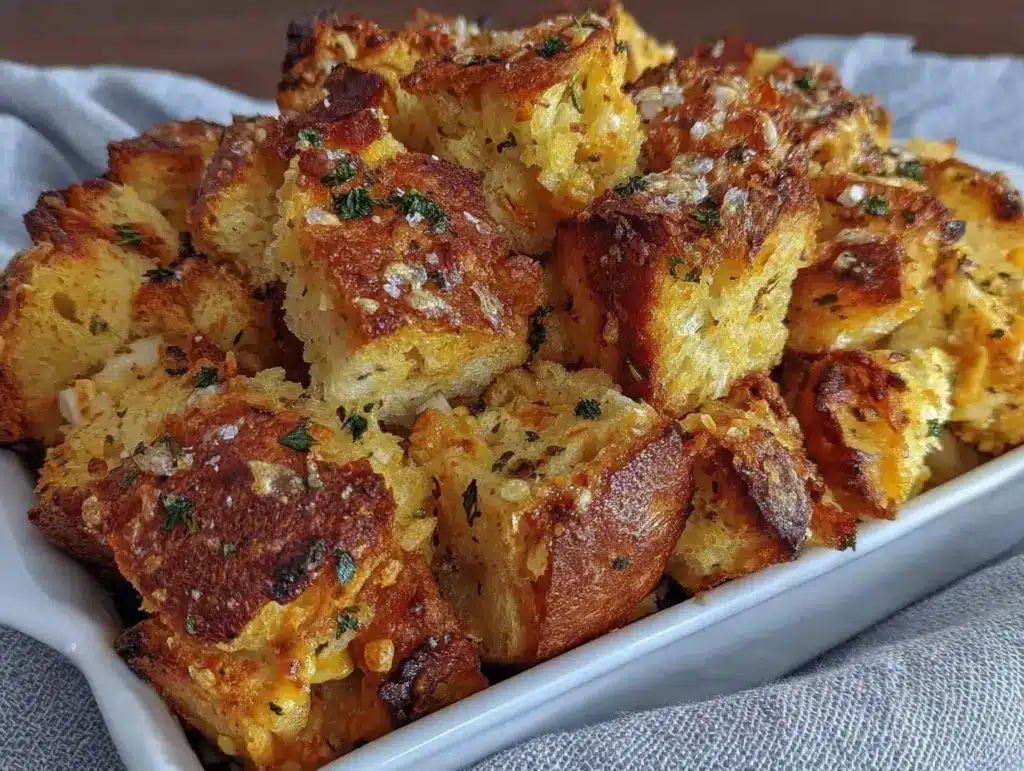
Let me set the scene for you: the aroma of freshly toasted bread cubes mingling with sautéed onions, celery, and a mountain of fragrant herbs—it’s absolute heaven wafting through my kitchen. Every time I whip up this savory herb stuffing recipe, the whole house seems to pause, noses twitching, as everyone waits for the first taste. Honestly, nothing says Thanksgiving quite like the scent of sage and thyme swirling in the air.
The first time I made this stuffing, I was just trying to recreate my grandma’s legendary side dish (you know, the one she made when I was knee-high to a grasshopper). I remember watching her toss in handfuls of fresh parsley, the way she always insisted on letting the edges get golden and crunchy. When I finally tasted my version, it was the kind of moment where you pause, take a deep breath, and just smile because you know you’re onto something truly special. I was instantly hooked.
This stuffing recipe has become a staple at our family table, especially during the holidays. My kids sneak forkfuls before the meal, my partner claims it’s the only stuffing worth eating, and even my picky cousin gives it two thumbs up. It’s the sort of dish that brings everyone together—comforting, familiar, and honestly, dangerously easy to make. Whether you’re planning a big Thanksgiving feast or just want to brighten up your weeknight chicken dinner, this savory herb stuffing is pure, nostalgic comfort. (And let’s face it, something you’ll probably want to bookmark for every gathering!) In the name of research, I’ve tested this recipe more times than I can count—perfected for potlucks, gifting, and those cozy Sunday suppers when you need a little extra love on your plate.
Why You’ll Love This Savory Herb Stuffing Recipe
Over years of tinkering and taste-testing, I’ve landed on a savory herb stuffing recipe that’s not just good—it’s the kind that makes you close your eyes after the first bite. I’ve tested this with different breads, herbs, and broths, and every time, it’s a crowd-pleaser. Here’s why you’ll love it:
- Quick & Easy: Comes together in under 60 minutes—perfect for busy holiday mornings or spontaneous weeknight comfort food cravings.
- Simple Ingredients: No fancy grocery trips required; everything you need is probably already in your kitchen (especially those herbs lingering in the produce drawer).
- Perfect for Thanksgiving (or Any Gathering): The signature side dish that fits with turkey, roast chicken, or even a vegetarian feast.
- Crowd-Pleaser: Trust me, this stuffing always gets rave reviews from kids, adults, and even self-declared stuffing skeptics.
- Unbelievably Delicious: The contrast between crisp edges and a tender, flavorful center is pure comfort food magic.
What sets this savory herb stuffing apart? For starters, it’s all about the bread—cubed and toasted for that perfect texture. I use a custom blend of fresh and dried herbs for deep flavor, and a splash of good-quality broth for moisture. The result? Stuffing that’s not soggy, not dry, but just right. I even sneak in a little butter for richness and a touch of olive oil for extra crispiness. It’s my best version, and I think you’ll agree after just one bite.
If you’re looking for stuffing that’s not weighed down by heavy cream or mystery seasonings, this is your answer. It’s comfort food reimagined—faster, lighter, but with the same soul-soothing satisfaction. Perfect for impressing guests without stress, or turning a simple meal into something memorable. (And hey, if you don’t have time to fuss, this stuffing is forgiving. That’s one less thing to worry about!)
What Ingredients You Will Need
This savory herb stuffing recipe uses simple, wholesome ingredients to deliver bold flavor and a satisfying texture without any fuss. Most ingredients are pantry staples, and there’s plenty of room for swaps if you’re missing something. Here’s what you’ll need:
- Bread cubes (about 10 cups, 300g): Use sturdy white, sourdough, or French bread, cut into ¾-inch cubes and slightly dried or toasted (for the best crisp-tender texture).
- Unsalted butter (½ cup, 115g): Adds richness and helps brown the veggies and bread.
- Olive oil (2 tbsp, 30ml): For extra crunch on the edges and a hint of flavor.
- Yellow onion (1 large, finely chopped): The backbone of classic stuffing flavor.
- Celery ribs (4, diced): Adds crunch and a subtle earthy note.
- Garlic cloves (2, minced): For a gentle kick and aromatic depth.
- Fresh parsley (½ cup, chopped, 15g): Brightens up the herbs and keeps things fresh.
- Fresh sage (2 tbsp, chopped, 8g): Classic stuffing herb—don’t skip it!
- Fresh thyme leaves (1 tbsp, 3g): Earthy and floral (if you don’t have fresh, use 1 tsp dried).
- Fresh rosemary (1 tbsp, chopped, 3g): Adds a woodsy, pine-like note (optional, but so good).
- Chicken or vegetable broth (2 cups, 480ml): Use low-sodium for better control over seasoning.
- Large eggs (2, beaten): Binds everything together for a tender center.
- Kosher salt (1 ½ tsp): To season everything just right.
- Black pepper (½ tsp): Adds a gentle heat.
Optional add-ins:
- Chopped apples or dried cranberries (½ cup): For a hint of sweetness and texture.
- Pecans or walnuts (½ cup, chopped): Adds crunch and nutty depth.
- Mushrooms (1 cup, diced): For an earthy, umami twist (sauté with veggies).
You can swap the bread for gluten-free if needed (I’ve tried it—works great) or use vegan butter and broth for a dairy-free, vegetarian version. For herbs, fresh is best, but dried works in a pinch. Just halve the amounts if using dried. I usually stick to local bakery bread for the richest flavor and texture, but store-bought is totally fine.
Equipment Needed
Here’s a quick look at the kitchen tools you’ll need for this savory herb stuffing recipe. Nothing fancy—just good basics and a few helpful options:
- Large mixing bowl: For tossing bread cubes and veggies (I use my old ceramic bowl—it’s seen a lot of stuffing over the years).
- Baking sheet: To toast the bread cubes evenly (parchment paper helps with cleanup).
- Large skillet or sauté pan: For cooking the onion, celery, and herbs (nonstick or cast iron both work—just watch for sticking).
- Measuring cups and spoons: Precision makes all the difference with seasoning.
- Whisk or fork: For beating the eggs and blending liquids.
- 9×13-inch baking dish (or similar, about 3.5L): For baking the stuffing (glass or ceramic gives the best crisp edges).
- Aluminum foil: To cover the dish for part of baking.
If you don’t have a baking dish, a deep casserole pan or even a sturdy ovenproof skillet works fine. I’ve used disposable foil pans for big holiday dinners—great for easy cleanup. Maintenance tip: If your baking dish is prone to sticking, grease it lightly with butter or nonstick spray before adding the stuffing. Budget-wise, thrift stores are gold mines for old mixing bowls and baking dishes (some of my favorites are secondhand finds).
Preparation Method
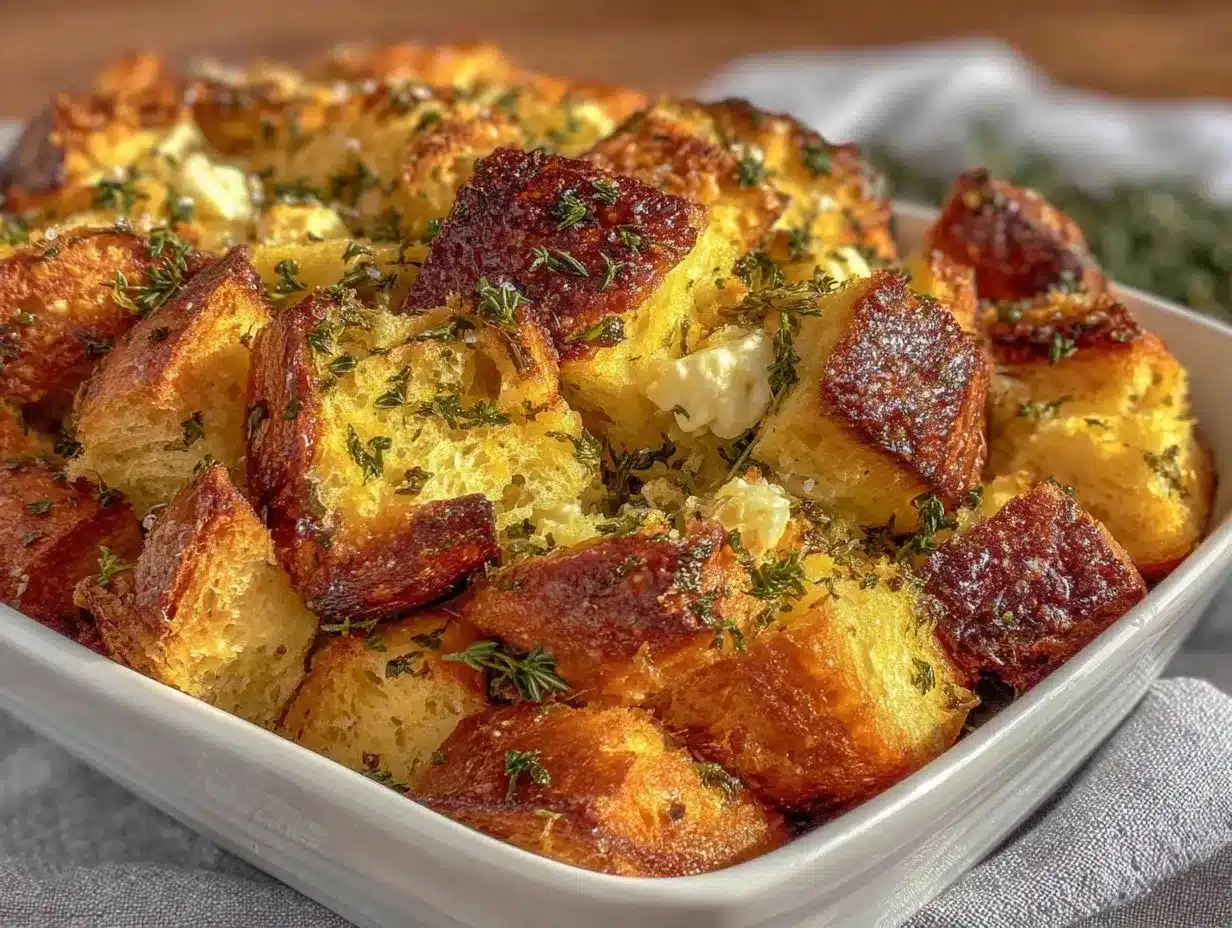
-
Prep the bread cubes:
Preheat your oven to 300°F (150°C). Spread bread cubes on a baking sheet and toast for 15-20 minutes, tossing halfway, until lightly golden and dry. Let cool.
Personal tip: Day-old bread works best, but fresh bread toasted like this gets you close! -
Sauté the vegetables:
In a large skillet, melt ½ cup (115g) butter and add 2 tbsp (30ml) olive oil over medium heat. Stir in chopped onion and celery and cook for 8-10 minutes until soft and fragrant. Add garlic and cook 1 minute more.
Sensory cue: You’ll know it’s ready when the onion is translucent and the kitchen smells amazing. -
Add herbs and seasoning:
Stir in parsley, sage, thyme, and rosemary. Sprinkle with 1 ½ tsp kosher salt and ½ tsp black pepper. Sauté for 2-3 minutes so the herbs release their oils. Remove from heat.
Preparation note: If using dried herbs, add them with the onion and celery for maximum flavor. -
Combine bread and veggie mixture:
Place toasted bread cubes in a large mixing bowl. Pour the sautéed vegetables and herbs over the bread and gently toss.
Troubleshooting tip: If bread cubes start breaking apart, use clean hands for gentle mixing. -
Mix broth and eggs:
In a separate bowl, whisk together 2 cups (480ml) broth and 2 large eggs until smooth. Pour the liquid evenly over bread mixture and stir gently until everything is moistened.
Warning: Don’t overmix—just enough to coat the bread. -
Transfer to baking dish:
Grease a 9×13-inch dish lightly. Spoon stuffing mixture into the dish and spread evenly. If you like extra crunch, drizzle with a little more olive oil.
Personal tip: Press lightly—don’t pack it too tight or you’ll lose that tender center. -
Bake:
Cover with foil and bake at 350°F (175°C) for 25 minutes. Remove foil and bake another 20-25 minutes until top is golden and edges are crisp.
Sensory cue: Stuffing should be puffed, edges browned, and the center springy to touch. -
Rest and serve:
Let stuffing sit for 5-10 minutes before serving. This helps everything set and makes for neater slices.
Efficiency tip: You can assemble everything ahead and bake just before serving.
Cooking Tips & Techniques
Over the years, I’ve picked up a few tricks for making this savory herb stuffing recipe absolutely foolproof. Here are my best tips:
- Toasting the Bread: Dry bread cubes are the secret to that crisp-tender balance. If you skip this step, your stuffing might turn out mushy—learned that the hard way.
- Herb Choices: Fresh herbs will always give you brighter flavor, but dried work in a pinch. If using dried, reduce the amount by half and add with the veggies so they have time to bloom.
- Balancing Moisture: If your stuffing looks dry before baking, add a splash more broth. If it’s too wet, bake uncovered for a little longer to crisp up the top.
- Don’t Overmix: Gentle tossing keeps the bread cubes intact and prevents a dense texture—trust me, I’ve made the “stuffing brick” mistake before.
- Multitasking: While bread toasts, chop your veggies and herbs so everything comes together quickly. I like to prep everything the night before a big holiday.
- Consistency: Stick to the egg and broth ratio for that perfect custardy center. If you want it extra crisp, use a wider shallow baking dish.
- Common Mistakes: Skipping the cooling step after toasting bread can trap steam and make things soggy. Let bread cool at least 10 minutes before mixing.
Honestly, the biggest lesson I’ve learned is to trust your senses—if the stuffing smells amazing and feels springy, it’s probably perfect. And if your family starts “taste-testing” before it hits the table, you’re definitely onto something!
Variations & Adaptations
This savory herb stuffing recipe is endlessly customizable. Here are a few of my favorite ways to switch things up:
- Gluten-Free: Use your favorite gluten-free bread (I like Udi’s or Schär) and follow the same method. The texture is surprisingly close to classic!
- Vegetarian/Vegan: Swap in vegetable broth and use vegan butter. For a vegan version, skip the eggs or use a flaxseed egg (1 tbsp ground flax + 2.5 tbsp water per egg).
- Fruit & Nut Add-In: Stir in chopped apples, dried cranberries, or toasted pecans for a festive, sweet-savory twist. My personal favorite: diced apple and walnut for Thanksgiving.
- Seasonal Herbs: In spring, add fresh chives and tarragon. For winter, double up on sage and rosemary.
- Mushroom Lovers: Sauté chopped mushrooms with the onion and celery for extra earthy depth.
If you’re cooking in a slow cooker, assemble everything as usual, then cook on low for 3-4 hours. For air fryer fans, bake individual portions in ramekins for super-crisp edges (just watch closely to avoid burning). I’ve even tried stuffing this into bell peppers for mini, handheld servings—big hit at potlucks!
Allergen note: You can easily swap nuts for seeds or leave them out. For dairy-free, olive oil alone works fine. Don’t be afraid to experiment—some of the best versions came from “what do I have left in the fridge?” moments.
Serving & Storage Suggestions
Serve this savory herb stuffing piping hot, straight from the oven. The crisp edges and tender center are just unbeatable at room temperature, too. For presentation, sprinkle with extra chopped herbs or a handful of pomegranate seeds for color.
- Pairing Ideas: Perfect alongside roasted turkey, chicken, or pork. Also delicious with vegetarian mushroom gravy and roasted root veggies.
- Beverage Pairings: Try with a crisp white wine, apple cider, or even a light beer.
For storage, let leftovers cool completely, then cover tightly and refrigerate for up to 4 days. Stuffing freezes well—just wrap slices in foil and freeze for up to 2 months. To reheat, bake at 350°F (175°C) until warmed through, or microwave slices with a damp paper towel to keep them moist.
Honestly, the flavors deepen overnight, so leftover stuffing is even better for sandwiches or a quick lunch. If you like it extra crisp, pop it under the broiler for a minute before serving.
Nutritional Information & Benefits
Here’s an estimated breakdown per serving (based on 10 servings):
- Calories: 200-220
- Fat: 9g
- Carbohydrates: 26g
- Protein: 5g
- Fiber: 2g
This savory herb stuffing recipe is loaded with veggies and fresh herbs, giving you a healthy dose of vitamins, antioxidants, and fiber. Using olive oil and real butter keeps things simple and wholesome. With easy swaps, it’s friendly for gluten-free, dairy-free, and vegetarian diets. Just watch for bread-based allergens—egg and nut substitutes are easy to use. Personally, I love knowing my favorite comfort food is packed with real ingredients and good-for-you greens. It’s the kind of dish that feels hearty but not heavy—total cozy food!
Conclusion
If you’re searching for a stuffing that delivers on flavor, texture, and nostalgia, this savory herb stuffing recipe is the one to try. It’s easy, flexible, and guaranteed to draw a crowd—whether you’re feeding the whole family at Thanksgiving or just adding warmth to your weeknight dinner.
Honestly, I love how forgiving and customizable it is. You can tweak the herbs, swap the bread, add your favorite extras, and it’s still delightful every time. This recipe has brought countless smiles to our table—and I bet it’ll do the same for yours.
I’d love to hear your twists, favorite add-ins, or tips for making stuffing shine! Drop a comment below, share your version, or pin this recipe for later (your future self will thank you). Give it a try and let yourself enjoy a little slice of comfort. Happy cooking!
FAQs
Can I make this savory herb stuffing recipe ahead of time?
Yes! Prepare everything up to baking, cover, and refrigerate overnight. Bake just before serving for the best texture.
What bread works best for stuffing?
Sturdy, day-old white, sourdough, or French bread works great. Avoid soft sandwich bread—it can get mushy.
How do I keep stuffing moist but not soggy?
Toast the bread cubes and use the right amount of broth. If the mixture seems dry, add a splash more before baking. If it’s too wet, bake uncovered longer.
Can I freeze leftover stuffing?
Absolutely! Cool completely, wrap tightly, and freeze for up to 2 months. Reheat in the oven for best results.
Is this recipe gluten-free or vegetarian?
It can be! Use gluten-free bread and vegetable broth for a gluten-free, vegetarian version. Vegan swaps are simple, too.
Pin This Recipe!
Savory Herb Stuffing Recipe: Easy Homemade Thanksgiving Side

This savory herb stuffing is a classic, crowd-pleasing Thanksgiving side dish featuring toasted bread cubes, sautéed vegetables, and a blend of fresh herbs. It’s easy to make, customizable, and delivers the perfect balance of crisp edges and a tender, flavorful center.
- Prep Time: 20 minutes
- Cook Time: 45 minutes
- Total Time: 1 hour 5 minutes
- Yield: 10 servings 1x
- Category: Side Dish
- Cuisine: American
Ingredients
- 10 cups (about 1 lb) sturdy white, sourdough, or French bread, cut into 3/4-inch cubes and slightly dried or toasted
- 1/2 cup (1 stick) unsalted butter
- 2 tablespoons olive oil
- 1 large yellow onion, finely chopped
- 4 celery ribs, diced
- 2 garlic cloves, minced
- 1/2 cup fresh parsley, chopped
- 2 tablespoons fresh sage, chopped
- 1 tablespoon fresh thyme leaves (or 1 teaspoon dried thyme)
- 1 tablespoon fresh rosemary, chopped (optional)
- 2 cups low-sodium chicken or vegetable broth
- 2 large eggs, beaten
- 1 1/2 teaspoons kosher salt
- 1/2 teaspoon black pepper
- Optional: 1/2 cup chopped apples or dried cranberries
- Optional: 1/2 cup pecans or walnuts, chopped
- Optional: 1 cup mushrooms, diced
Instructions
- Preheat oven to 300°F (150°C). Spread bread cubes on a baking sheet and toast for 15-20 minutes, tossing halfway, until lightly golden and dry. Let cool.
- In a large skillet, melt butter and add olive oil over medium heat. Stir in chopped onion and celery and cook for 8-10 minutes until soft and fragrant. Add garlic and cook 1 minute more.
- Stir in parsley, sage, thyme, and rosemary. Sprinkle with salt and pepper. Sauté for 2-3 minutes so the herbs release their oils. Remove from heat.
- Place toasted bread cubes in a large mixing bowl. Pour the sautéed vegetables and herbs over the bread and gently toss.
- In a separate bowl, whisk together broth and eggs until smooth. Pour the liquid evenly over bread mixture and stir gently until everything is moistened.
- Grease a 9×13-inch baking dish lightly. Spoon stuffing mixture into the dish and spread evenly. Drizzle with a little more olive oil if desired.
- Cover with foil and bake at 350°F (175°C) for 25 minutes. Remove foil and bake another 20-25 minutes until top is golden and edges are crisp.
- Let stuffing sit for 5-10 minutes before serving.
Notes
Day-old bread works best for texture. For gluten-free or vegan versions, use gluten-free bread and vegan butter/broth. Add-ins like apples, cranberries, nuts, or mushrooms are optional for extra flavor. Assemble ahead and bake just before serving for best results. Leftovers freeze well and taste even better the next day.
Nutrition
- Serving Size: 1/10th of recipe (ab
- Calories: 210
- Sugar: 3
- Sodium: 350
- Fat: 9
- Saturated Fat: 4
- Carbohydrates: 26
- Fiber: 2
- Protein: 5
Keywords: stuffing, Thanksgiving, herb stuffing, holiday side, easy stuffing, homemade stuffing, vegetarian stuffing, gluten-free stuffing, savory stuffing