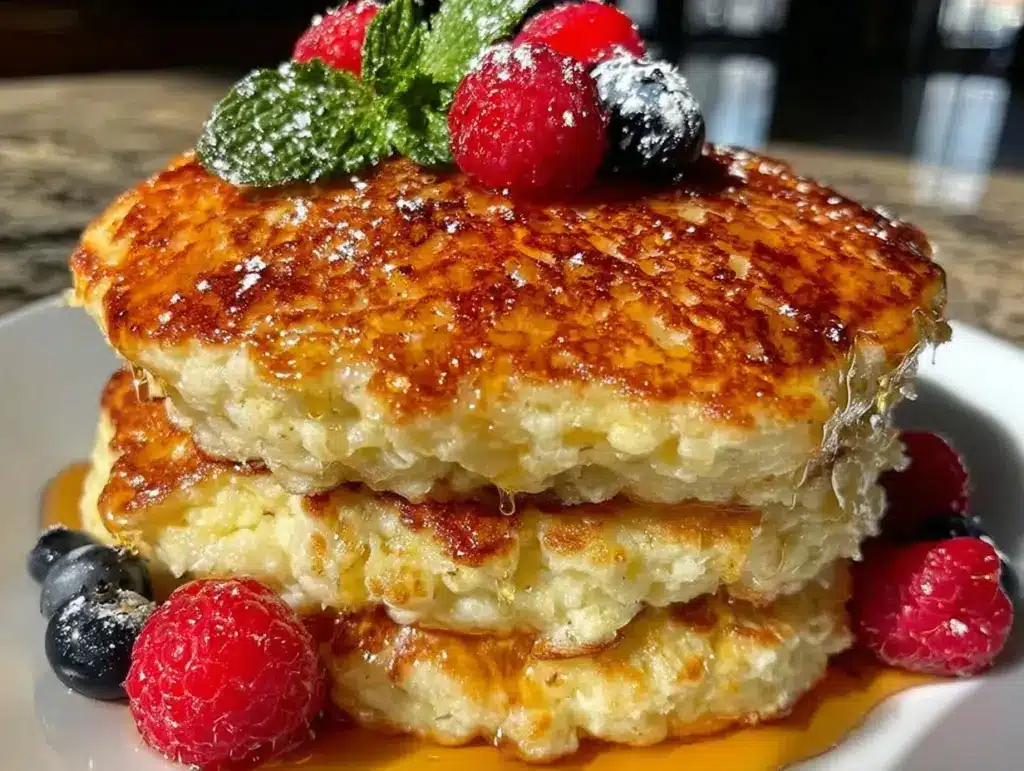
Scrambling eggs while juggling a half-empty bag of oats and a crying toddler on my hip — that’s when I realized breakfast needed a serious rescue plan. The usual cereal just wasn’t cutting it; too light, no staying power. I glanced at the clock—twenty minutes till school drop-off and honestly, no time for a complicated recipe. That’s how this recipe for fluffy calorie-deficit protein pancakes came to be: a last-minute hustle with whatever was left in the kitchen, but somehow it turned into the best breakfast hack I didn’t know I needed. The pancakes came out pillowy soft, packed with protein, and surprisingly low in calories. Somehow, they managed to keep me full until lunch without feeling heavy or guilty.
It’s funny how that rushed morning set the tone for many more weekends and busy mornings. These pancakes became my go-to whenever I wanted something quick, satisfying, and friendly to my calorie goals. Plus, they’re forgiving—no fancy ingredients, no weird textures. Just simple, fluffy pancakes that stick to your ribs in the best way. If you’re anything like me—always on the run but wanting a filling breakfast that won’t derail your day—this recipe might just become your secret weapon, too.
There’s something quietly reassuring about a breakfast that’s both indulgent and smart. These pancakes hit that sweet spot. And honestly, after trying countless recipes that promised “healthy and fluffy” but ended up dry or rubbery, finding this one felt like a small victory worth sharing.
Why You’ll Love This Recipe
After testing a bunch of protein pancake recipes (trust me, I’ve wasted more protein powder than I care to admit), these fluffy calorie-deficit protein pancakes stood out for a few solid reasons:
- Quick & Easy: Whip these up in under 20 minutes—ideal for those rushed mornings when you need breakfast ASAP.
- Simple Ingredients: No need for specialty stores—basic pantry staples and a scoop of protein powder is all you need.
- Perfect for Busy Mornings: Whether you’re fueling up before a workout or need something that holds the kids over, these pancakes deliver.
- Crowd-Pleaser: My picky eater actually asked for seconds once, and that’s saying something.
- Unbelievably Delicious: The texture is fluffy, not dense or chalky, which can be a problem with protein-heavy pancakes.
What sets these pancakes apart? It’s all in the balance—using low-calorie ingredients without sacrificing fluffiness. I blend cottage cheese (yes, cottage cheese!) to get that creamy texture without extra fat. Also, a pinch of baking soda and vinegar does wonders for fluff, making them feel more like a treat than a diet meal. The carefully measured protein powder ensures you get the boost without the bitter aftertaste some brands leave behind.
Honestly, they’re the kind of pancakes that make you pause after the first bite and smile a little—comfort food that stays true to your goals. It’s a small win that makes busy mornings a bit easier and mornings where you need a filling breakfast feel less like a chore.
What Ingredients You Will Need
This recipe uses simple, wholesome ingredients to deliver bold flavor and satisfying texture without the fuss. Most of these are pantry staples or easy to swap out if you have dietary preferences.
- For the batter:
- Rolled oats, 1 cup (90g) – I prefer Bob’s Red Mill for consistent texture
- Low-fat cottage cheese, ½ cup (120g), small-curd – adds moisture and protein
- Egg whites, 3 large (about 100g) – for lightness and protein boost
- Vanilla protein powder, 1 scoop (about 30g) – choose a mild flavor to avoid bitterness
- Unsweetened almond milk, ⅓ cup (80ml) – dairy-free option that keeps calories low
- Baking soda, ½ teaspoon – helps with fluffiness
- Apple cider vinegar, 1 teaspoon – reacts with baking soda for lift
- Stevia or your preferred zero-calorie sweetener, 1 tablespoon – optional but adds subtle sweetness
- Ground cinnamon, ¼ teaspoon – adds warmth and depth
- Pinch of salt – balances flavors
- For serving (optional):
- Fresh berries (blueberries or strawberries) – seasonal and fresh
- Natural nut butter (almond or peanut), 1 tablespoon – for healthy fats
- Pure maple syrup, a drizzle – keep it light to stay within calorie goals
You can swap rolled oats for oat flour if you want a finer batter texture, or use Greek yogurt instead of cottage cheese if that’s what you have on hand. For a gluten-free option, make sure your oats are certified gluten-free. And if dairy’s a no-go, coconut yogurt can replace the cottage cheese, though texture shifts slightly.
Equipment Needed
- Blender or food processor – to blend the oats and cottage cheese into a smooth batter
- Mixing bowl – for combining ingredients if you prefer to blend wet and dry separately
- Non-stick skillet or griddle – essential for cooking pancakes evenly without sticking
- Spatula – a thin, flexible one works best for flipping delicate pancakes
- Measuring cups and spoons – for precise ingredient amounts
- Whisk – handy if mixing by hand or combining wet ingredients
If you don’t have a blender, grinding oats in a coffee grinder or food processor works fine. I usually use a cast iron skillet for the best heat distribution, but a good non-stick pan works just as well and is easier to clean. Just keep it well-oiled and at medium heat to prevent burning. For budget-friendly options, basic non-stick pans from your local store do the trick and handle these pancakes nicely.
Preparation Method
- Blend the oats: Place 1 cup (90g) rolled oats in the blender and pulse until you get a fine flour-like consistency, about 30 seconds. This step is key for that fluffy texture instead of chewy bits.
- Add wet ingredients: To the oat flour, add ½ cup (120g) small-curd cottage cheese, 3 large egg whites (~100g), and ⅓ cup (80ml) unsweetened almond milk. Blend again for about 45 seconds until the mixture is smooth and creamy. You want no large lumps here.
- Mix dry ingredients: In a separate bowl, combine 1 scoop (30g) vanilla protein powder, ½ teaspoon baking soda, 1 teaspoon apple cider vinegar, 1 tablespoon stevia (optional), ¼ teaspoon cinnamon, and a pinch of salt. Stir well to evenly distribute everything.
- Combine wet and dry: Pour the dry mix into the blender with the wet mixture. Pulse a few times just to combine thoroughly. The batter should be thick but pourable—if too thick, add a splash of almond milk (10-15ml) and blend again.
- Preheat skillet: Heat a non-stick skillet or griddle over medium heat. Lightly grease with cooking spray or a few drops of oil. You want it hot enough that a drop of water sizzles but not smoking.
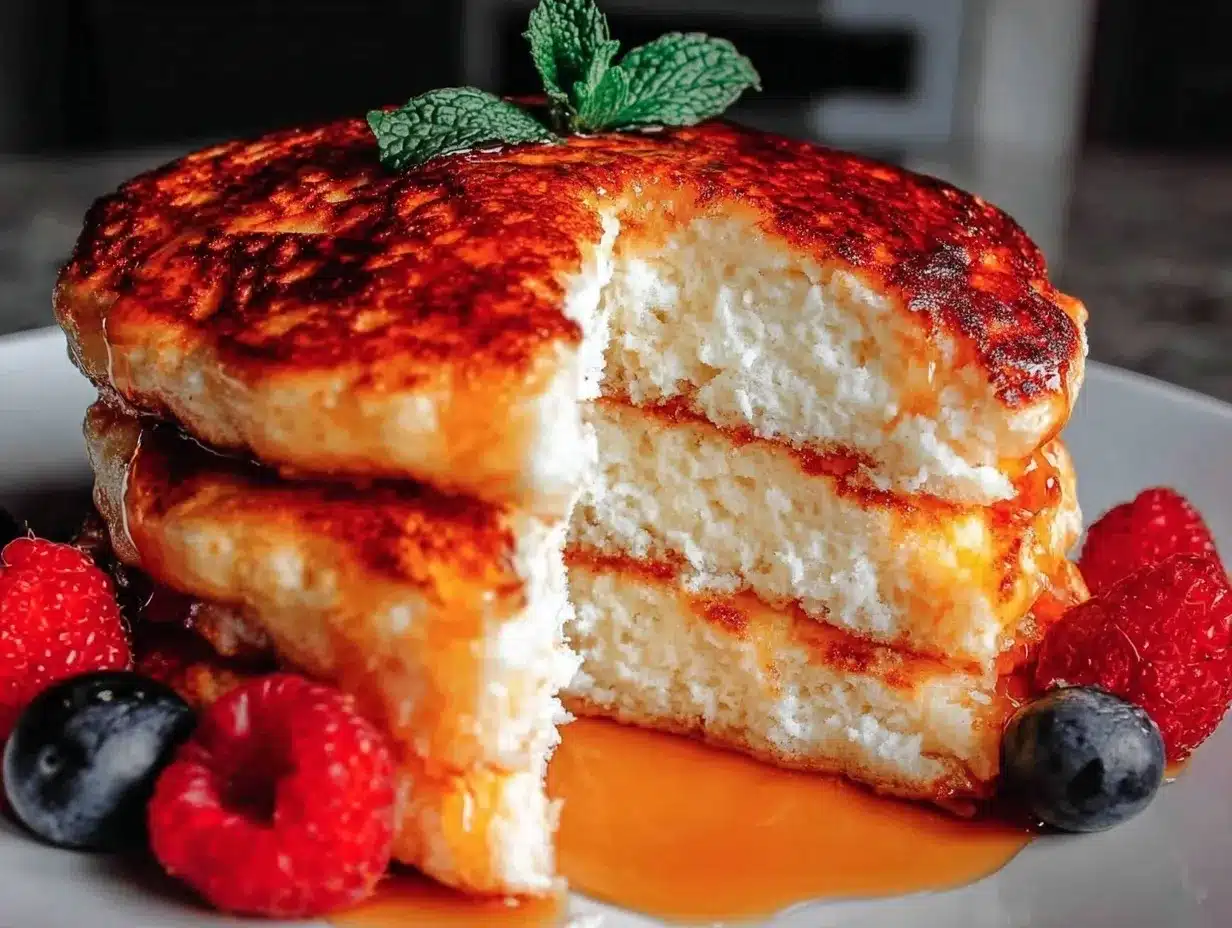
- Cook pancakes: Using a ¼ cup (60ml) measuring cup, pour batter onto the skillet. Cook for 2-3 minutes until bubbles form on top and edges look set. Flip gently with a spatula and cook another 1-2 minutes until golden and cooked through. The pancakes should be fluffy, springy, and light.
- Keep warm: Transfer cooked pancakes to a plate and cover loosely with foil to stay warm while you finish the batch.
- Serve: Stack your fluffy calorie-deficit protein pancakes and top with fresh berries, a dollop of nut butter, or a light drizzle of maple syrup if you like. Enjoy immediately for best texture.
Quick tip: If your batter feels too thick and dry, it’s okay to add a bit more almond milk—but too much will make the pancakes flat. Also, don’t flip too early; wait for bubbles and dry edges to avoid breaking them apart.
Cooking Tips & Techniques
Flipping protein pancakes can be tricky—been there, done that with half a pancake on the floor. Here’s what I learned to get it right:
- Temperature control: Medium heat is your friend. Too hot and the outsides burn before the inside cooks; too cool and pancakes turn rubbery.
- Grease sparingly: A little oil or butter keeps pancakes from sticking, but don’t overdo it or you’ll fry them rather than cook.
- Don’t overmix batter: Blend just enough to combine; overblending can make pancakes dense.
- Use fresh baking soda: It reacts with the vinegar to give puffiness. Old soda means flat pancakes—trust me, I learned this the hard way.
- Patience with flipping: Let bubbles appear and edges dry out before flipping, so your pancakes keep their shape.
Multitasking tip: While pancakes cook, you can prep toppings or make a quick fruit salad like a fresh cucumber dill salad from my other recipes for a balanced breakfast plate. Timing these together saves precious morning minutes.
Variations & Adaptations
If you want to switch things up or tailor these pancakes to your taste or dietary needs, here are some ideas that worked well for me:
- Vegan option: Replace egg whites with 3 tablespoons of flaxseed meal mixed with 9 tablespoons water (let sit 5 minutes). Use dairy-free yogurt instead of cottage cheese.
- Flavor boost: Add a tablespoon of cocoa powder for chocolate protein pancakes or a handful of blueberries straight into the batter for fruity bursts.
- Low-carb twist: Swap oats for almond flour and use a low-carb protein powder to keep carbs minimal while maintaining fluffiness.
- Seasonal swaps: In summer, try topping with fresh strawberries from my easy no-bake strawberry cheesecake cups recipe for a dessert-like morning treat.
- Texture upgrade: Stir in chopped nuts or seeds for crunch, or fold in shredded zucchini for a sneaky veggie boost.
Personally, I once added a spoonful of my favorite natural peanut butter into the batter (instead of topping) for an ultra-rich taste and it turned out surprisingly good! The key is not to overload the batter; keep it balanced so pancakes stay fluffy.
Serving & Storage Suggestions
These pancakes are best served fresh and warm—fluffy pancakes cool quickly and can lose their charm. If you need to store leftovers, stack them with parchment paper in between to avoid sticking and refrigerate in an airtight container for up to 2 days.
To reheat, a quick 20 seconds in the microwave or a minute in a toaster oven brings back most of the softness. Avoid the stovetop reheating unless you want extra crisp edges.
Pair your pancakes with a tall glass of fresh strawberry basil lemonade for a refreshing contrast or a warm cup of coffee. For a savory twist, serve alongside a creamy cucumber dill salad for a balanced plate.
Flavors actually deepen after a day in the fridge, so if you like a more intense taste, try prepping the batter the night before and cooking fresh in the morning.
Nutritional Information & Benefits
Each serving (about 3 pancakes) provides approximately:
| Nutrient | Amount |
|---|---|
| Calories | 220 kcal |
| Protein | 25g |
| Carbohydrates | 20g |
| Fat | 3g |
| Fiber | 4g |
The combination of oats and protein powder offers sustained energy and muscle support, while cottage cheese adds calcium and probiotics for gut health. Using almond milk keeps it low in calories and dairy-light, making it easier for sensitive stomachs. This recipe is gluten-free if you use certified oats, and low in fat, fitting well within calorie-deficit plans.
I’ve found that starting the day with a breakfast like this keeps cravings in check and energy steady, which is crucial when juggling busy schedules.
Conclusion
Fluffy calorie-deficit protein pancakes are a rare find—something that feels indulgent yet fits neatly into a health-conscious lifestyle. They’re simple, forgiving, and, honestly, a little comforting when mornings feel chaotic. The fact that they keep you full without weighing you down is why I keep coming back to this recipe.
Feel free to tweak the flavors, add your favorite toppings, or swap ingredients to make these pancakes truly yours. I love how versatile they are and how they can turn rushed mornings into moments of calm satisfaction.
If you’re after more easy meal ideas that combine flavor and nutrition, you might enjoy my fresh creamy cucumber dill salad or the easy no-bake strawberry cheesecake cups for a sweet finish to a balanced breakfast.
Give these pancakes a try, and let me know how you make them your own. Breakfast shouldn’t be complicated, and these pancakes prove that well.
FAQs
Can I make the batter ahead of time?
Yes, you can prepare the batter the night before and store it in the fridge. Just give it a quick stir before cooking. The baking soda and vinegar reaction will be a bit less active but pancakes will still be fluffy.
What if I don’t have protein powder?
Omit the protein powder and add an extra ¼ cup (22g) of oat flour or a tablespoon of ground flaxseed for texture. The pancakes won’t be as protein-rich but will still be tasty.
Can I freeze these pancakes?
Absolutely! Let them cool completely, then freeze in a single layer on a baking sheet. Once frozen, transfer to a freezer-safe bag. Reheat in the toaster or microwave.
Are these pancakes suitable for a ketogenic diet?
Not as-is, since oats add carbs. For keto, substitute almond flour and use a low-carb protein powder.
How do I prevent pancakes from sticking to the pan?
Use a good non-stick skillet and lightly grease it with oil or cooking spray before each batch. Make sure the pan is preheated properly.
Pin This Recipe!
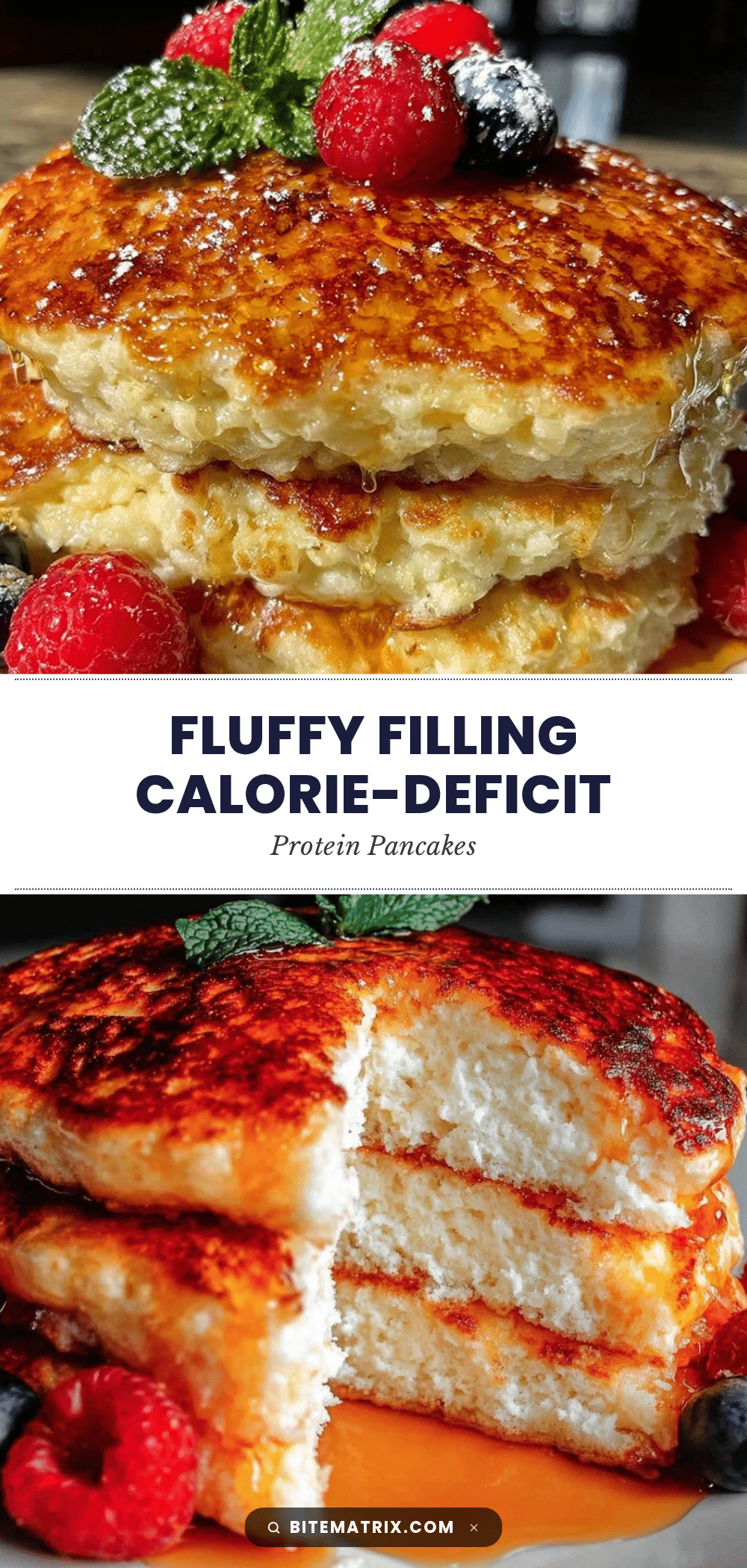
Fluffy Calorie-Deficit Protein Pancakes

These fluffy protein pancakes are quick, easy, and low in calories, perfect for a filling breakfast that keeps you full without feeling heavy or guilty.
- Prep Time: 10 minutes
- Cook Time: 10 minutes
- Total Time: 20 minutes
- Yield: 3 servings (about 3 pancakes per serving) 1x
- Category: Breakfast
- Cuisine: American
Ingredients
- 1 cup (90g) rolled oats
- ½ cup (120g) low-fat small-curd cottage cheese
- 3 large egg whites (about 100g)
- 1 scoop (about 30g) vanilla protein powder
- ⅓ cup (80ml) unsweetened almond milk
- ½ teaspoon baking soda
- 1 teaspoon apple cider vinegar
- 1 tablespoon stevia or preferred zero-calorie sweetener (optional)
- ¼ teaspoon ground cinnamon
- Pinch of salt
- Optional for serving: fresh berries (blueberries or strawberries), 1 tablespoon natural nut butter (almond or peanut), pure maple syrup (a light drizzle)
Instructions
- Place 1 cup rolled oats in a blender and pulse until fine flour-like consistency, about 30 seconds.
- Add ½ cup cottage cheese, 3 large egg whites, and ⅓ cup unsweetened almond milk to the blender. Blend for about 45 seconds until smooth and creamy.
- In a separate bowl, combine 1 scoop vanilla protein powder, ½ teaspoon baking soda, 1 teaspoon apple cider vinegar, 1 tablespoon stevia (optional), ¼ teaspoon cinnamon, and a pinch of salt. Stir well.
- Pour the dry mix into the blender with the wet mixture. Pulse a few times to combine. If batter is too thick, add 10-15ml almond milk and blend again.
- Preheat a non-stick skillet or griddle over medium heat and lightly grease with cooking spray or oil.
- Using a ¼ cup measuring cup, pour batter onto skillet. Cook 2-3 minutes until bubbles form and edges look set.
- Flip gently and cook another 1-2 minutes until golden and cooked through.
- Transfer cooked pancakes to a plate and cover loosely with foil to keep warm while finishing the batch.
- Serve pancakes stacked with optional fresh berries, nut butter, or a light drizzle of maple syrup.
Notes
If batter is too thick, add a splash of almond milk but avoid adding too much to prevent flat pancakes. Use medium heat and grease skillet lightly to avoid sticking. Wait for bubbles and dry edges before flipping to keep pancakes intact. Fresh baking soda is recommended for best fluffiness. Batter can be prepared the night before and stored in the fridge.
Nutrition
- Serving Size: About 3 pancakes
- Calories: 220
- Fat: 3
- Carbohydrates: 20
- Fiber: 4
- Protein: 25
Keywords: protein pancakes, low calorie breakfast, healthy pancakes, quick breakfast, filling breakfast, calorie deficit, easy recipe